Smartwatch and Augmented Reality Future Possibilities
A speculative look at the integration of smartwatches with augmented reality, and the exciting possibilities it presents.
A speculative look at the integration of smartwatches with augmented reality, and the exciting possibilities it presents.
Smartwatch and Augmented Reality Future Possibilities
The Dawn of Wearable AR Smartwatches What to Expect
Hey there, tech enthusiasts! Ever wondered if your smartwatch could do more than just tell time or track your steps? What if it could overlay digital information onto your real-world view, right from your wrist? We're talking about the exciting, and frankly, mind-blowing, future where smartwatches and augmented reality (AR) merge. This isn't just sci-fi anymore; it's a rapidly approaching reality that promises to change how we interact with our digital and physical worlds. Imagine getting navigation directions projected onto the street in front of you, or seeing real-time information about a product just by glancing at it. The possibilities are endless, and we're here to dive deep into what this integration could look like, the tech that's making it happen, and some potential early applications.
Current Smartwatch Limitations and AR's Potential Solutions
Let's be real, as amazing as current smartwatches are, they have their limitations. The small screen size, while convenient for quick glances, isn't ideal for consuming complex information or immersive experiences. This is where augmented reality steps in as a game-changer. Instead of squinting at a tiny display, AR allows information to be seamlessly integrated into your field of vision, often through a transparent display or projection. Think about it: no more pulling out your phone for detailed maps or product reviews. Your smartwatch, combined with AR, could provide that information directly, contextually, and non-intrusively. This shift from a pull-based information retrieval system to a push-based, context-aware delivery system is a massive leap forward.
How Smartwatches Could Power AR Experiences The Technical Backbone
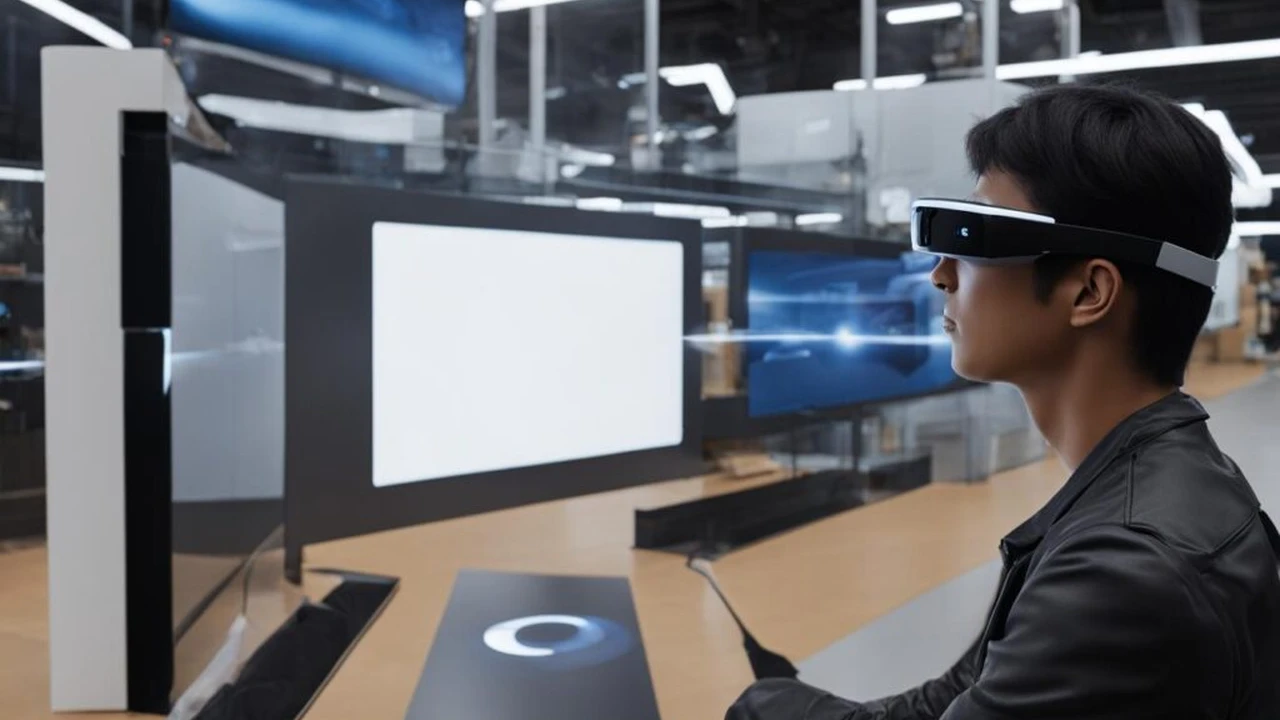
So, how exactly would a smartwatch power an AR experience? It's not as simple as just strapping a projector to your wrist. The magic lies in the combination of advanced sensors, powerful processors, and sophisticated software. Your smartwatch already has a lot of the foundational tech: accelerometers, gyroscopes, GPS, and even heart rate monitors. These sensors are crucial for understanding your environment and your position within it. For AR, we'd see an evolution of these, perhaps incorporating miniature cameras, depth sensors (like LiDAR), and even eye-tracking technology. The smartwatch would act as the processing hub, taking data from these sensors, rendering the AR content, and then projecting it onto a display, which could be a tiny projector built into the watch itself, or more likely, a separate, lightweight AR glasses unit that the smartwatch wirelessly connects to. Think of the smartwatch as the brain, and the AR glasses as the eyes and display. This distributed computing model is key to keeping the AR glasses lightweight and comfortable.
Early Use Cases for Smartwatch-Integrated AR Practical Applications
Let's get down to some practical examples of how this smartwatch-AR combo could actually be used. The potential is vast, but here are a few early use cases that could revolutionize daily life:
Navigation and Wayfinding Enhanced Directions with AR Overlays
Imagine walking through an unfamiliar city. Instead of constantly looking down at your phone for directions, your smartwatch, paired with AR glasses, could project arrows and street names directly onto the pavement or buildings in your line of sight. This hands-free, heads-up navigation would be incredibly intuitive and safe. You'd see your destination highlighted, points of interest pop up as you approach them, and even real-time public transport information overlaid on bus stops. This is a huge step up from current GPS systems, making urban exploration a breeze.
Retail and Shopping Smart Shopping with Product Information Overlays
Picture this: you're in a store, looking at a new gadget. With smartwatch-powered AR, you could simply glance at the product, and your AR glasses would display its price, customer reviews, specifications, and even compare it to similar items from other brands. No more fumbling with your phone to scan barcodes or search for information. This could also extend to virtual try-ons for clothes or furniture, allowing you to see how an item looks in your home or on you before you buy it. This level of instant, contextual information would transform the shopping experience.
Fitness and Sports Real-time Performance Data in Your View
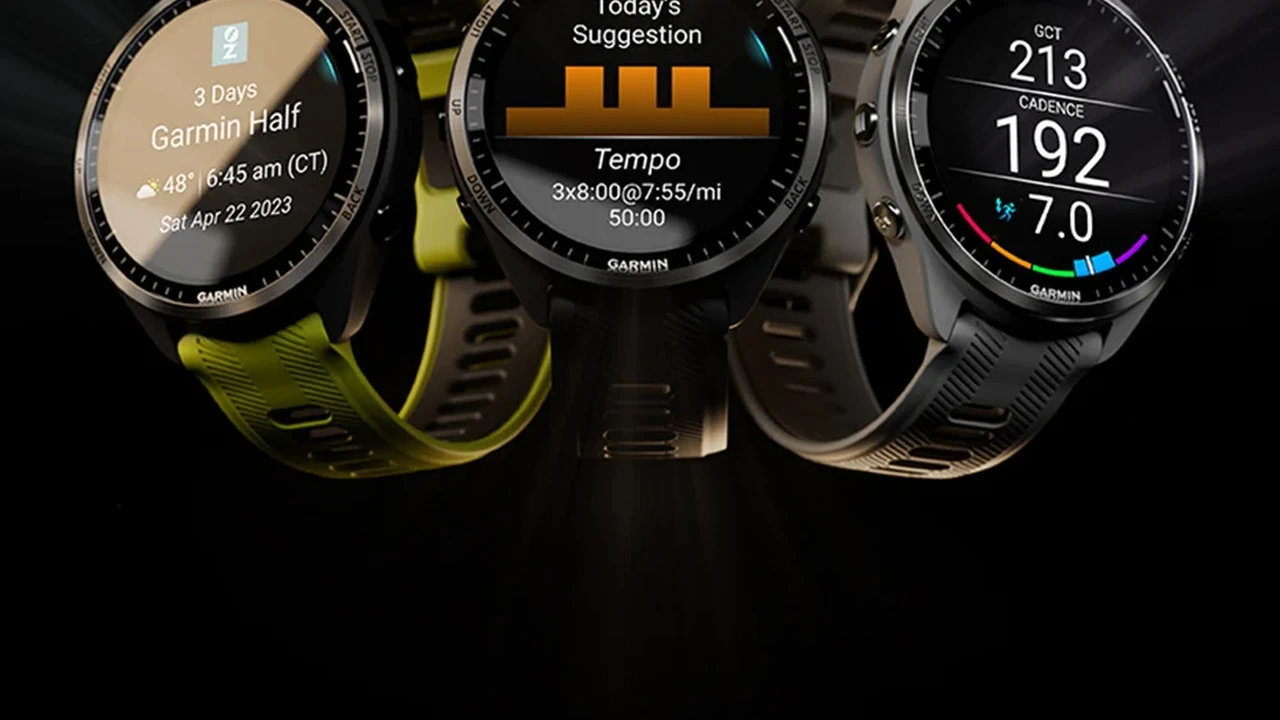
For fitness enthusiasts, AR smartwatches could be a game-changer. During a run, you could see your pace, distance, heart rate, and even a virtual running partner projected onto your view, without having to break stride to look at your watch. Cyclists could have their speed, cadence, and route displayed directly on their visor. For team sports, imagine seeing real-time stats of players or tactical overlays during a game. This immediate feedback and data visualization would enhance training and performance significantly.
Education and Learning Interactive AR Experiences on the Go
Learning could become incredibly immersive. Students could explore historical sites with AR overlays showing how they looked in the past, or dissect virtual 3D models in biology class. Tourists could get instant information about landmarks, historical facts, and local culture just by looking at them. This hands-on, interactive learning experience would make education more engaging and accessible, turning the world into a living classroom.
Maintenance and Repair Guided AR Instructions for DIY
For DIY enthusiasts or professionals, AR smartwatches could provide step-by-step instructions overlaid onto the actual object being repaired. Imagine fixing a car engine or assembling furniture with virtual arrows and labels guiding your every move. This could reduce errors, speed up tasks, and make complex repairs more manageable for everyone. It's like having an expert looking over your shoulder, guiding you through the process.
Potential Challenges and Hurdles to Overcome
Of course, integrating smartwatches with AR isn't without its challenges. Battery life is a major concern; running AR applications is computationally intensive and will drain batteries quickly. Miniaturization of components, especially projectors and advanced sensors, is also crucial. User comfort and aesthetics of AR glasses are paramount – nobody wants to wear bulky, awkward devices. Privacy concerns, especially with cameras constantly scanning the environment, will need careful consideration and robust solutions. And finally, the development of compelling, user-friendly software and content will be key to widespread adoption. It's a complex puzzle, but the pieces are slowly coming together.
The Road Ahead What's Next for Smartwatch AR
The journey to widespread smartwatch-integrated AR is an exciting one. We're likely to see initial iterations focusing on specific use cases, perhaps in industrial settings or niche consumer markets, before becoming mainstream. As technology advances, we'll see more powerful, energy-efficient processors, smaller and more efficient projection systems, and increasingly sophisticated AI to make AR experiences truly intelligent and personalized. The future of smartwatches isn't just about what's on your wrist; it's about how your wrist-worn device can unlock a whole new dimension of interaction with the world around you. Get ready for a future where your smartwatch isn't just a companion, but a window to an augmented reality.
:max_bytes(150000):strip_icc()/277019-baked-pork-chops-with-cream-of-mushroom-soup-DDMFS-beauty-4x3-BG-7505-5762b731cf30447d9cbbbbbf387beafa.jpg)