Upcoming Smartwatch Releases What to Expect in 2024
Stay updated on the latest smartwatch news. Discover upcoming releases and what new features to anticipate in 2024.
Stay updated on the latest smartwatch news. Discover upcoming releases and what new features to anticipate in 2024.
Upcoming Smartwatch Releases What to Expect in 2024
Hey there, tech enthusiasts! Are you as excited as we are about what the smartwatch world has in store for us in 2024? It feels like just yesterday smartwatches were a niche gadget, and now they're practically an extension of our bodies. From tracking our fitness goals to making contactless payments and even answering calls right from our wrists, these tiny powerhouses have become indispensable. And guess what? The innovation isn't slowing down. Every year brings new advancements, sleeker designs, and more powerful features. So, let's dive deep into what we can expect from the biggest players and some rising stars in the smartwatch arena for 2024. We're talking about the rumored releases, the potential upgrades, and the exciting new tech that could redefine our wrist-worn experience.
Apple Watch Series 10 The Next Big Leap
Alright, let's kick things off with the undisputed king of smartwatches: the Apple Watch. Apple usually drops a new Series every fall, and 2024 is no exception. While nothing is officially confirmed, the rumor mill is buzzing about the Apple Watch Series 10, or perhaps even an 'X' model to mark a significant anniversary. What's on the wishlist for this next iteration? Improved battery life is always at the top, and we're hoping for some serious gains here. Imagine going a full two days without needing a charge – that would be a game-changer for many users. Beyond battery, expect even more advanced health sensors. We've seen ECG, blood oxygen, and temperature sensing. The whispers suggest potential for non-invasive blood glucose monitoring, which would be revolutionary for diabetics, and even more sophisticated blood pressure tracking. Apple is known for its seamless integration with the iOS ecosystem, and we anticipate even tighter connections with iPhones, AirPods, and other Apple devices, making the user experience even more fluid. Design-wise, don't expect a radical overhaul, but subtle refinements to the display, perhaps even thinner bezels, and new material options are always on the table. Think about how the Ultra model pushed boundaries; we might see some of those rugged features trickle down to the main Series. Pricing for the standard models will likely remain consistent with previous years, starting around $399, with the Ultra models commanding a higher premium, possibly around $799 or more, depending on new features and materials.
Samsung Galaxy Watch 7 and Beyond Android's Flagship
Moving over to the Android side, Samsung's Galaxy Watch lineup is a strong contender, especially with its tight integration with Wear OS. The Galaxy Watch 6 series brought back the beloved rotating bezel on the Classic model, and we expect Samsung to continue refining its offerings with the Galaxy Watch 7. What's in store? Performance upgrades are a given, with a new Exynos chip promising faster app loading and smoother navigation. Samsung has been pushing its health features, and we anticipate further enhancements to sleep tracking, body composition analysis, and perhaps even more precise heart rate monitoring. The big question is always battery life, and Samsung is likely working on optimizing Wear OS to squeeze more juice out of its devices. We might also see new display technologies, potentially brighter and more power-efficient. Samsung often offers two main variants: a standard model and a 'Classic' or 'Pro' version. The standard Galaxy Watch 7 could focus on sleek design and everyday fitness, while a 'Pro' or 'Classic' variant might emphasize durability, advanced outdoor features, and a larger battery. Expect pricing to be competitive, with the standard models starting around $299 and the Pro/Classic versions ranging from $349 to $449, depending on connectivity options (Bluetooth vs. LTE).
Google Pixel Watch 3 Refining the Wear OS Experience
Google's entry into the smartwatch market with the Pixel Watch was met with mixed reviews, but the Pixel Watch 2 showed significant improvements. For 2024, we're looking forward to the Pixel Watch 3. Google's strength lies in its software, and we expect even deeper integration with Google Assistant, Google Maps, and other Google services. The design of the Pixel Watch is unique, with its domed glass, and it's likely to retain that aesthetic. However, improvements in durability and perhaps a slightly larger screen option would be welcome. Battery life was a major concern for the first generation, and while the second improved, there's still room for growth. Google will likely focus on optimizing the Wear OS experience, making it even more intuitive and responsive. We might also see new health sensors, leveraging Fitbit's expertise, which Google now owns. Think advanced stress management, more accurate temperature sensing, and perhaps even a focus on mental well-being features. The Pixel Watch is positioned as a premium Android smartwatch, and its pricing will likely reflect that, starting around $349 for the Bluetooth model and going up for LTE variants. Google's challenge will be to differentiate itself further from Samsung's robust offerings and carve out its own niche in the Wear OS landscape.
Garmin Forerunner and Fenix Series More Sports and Adventure
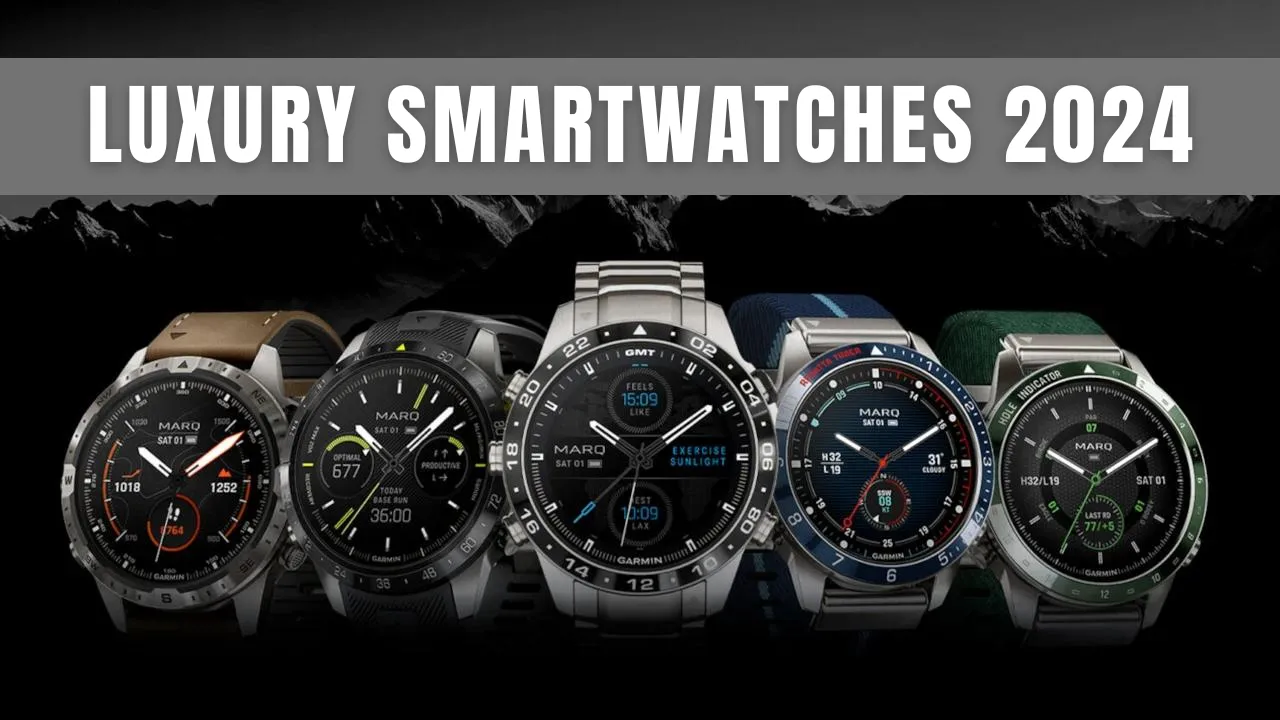
For the serious athletes and outdoor adventurers, Garmin is the brand to watch. They're not about flashy apps or seamless smartphone integration as much as they are about precise data, rugged durability, and incredible battery life. In 2024, we can expect updates to their popular Forerunner series for runners and the Fenix series for multi-sport and outdoor enthusiasts. What's new? Even more accurate GPS tracking, multi-band GPS for unparalleled precision in challenging environments, and enhanced mapping capabilities. Garmin is constantly refining its physiological metrics, offering deeper insights into training load, recovery, and performance. We might see new sensors for advanced running dynamics or even more sophisticated sleep and stress tracking. Battery life, already a strong suit for Garmin, could get even better, with some models potentially offering weeks, not days, of use in smartwatch mode. The Fenix series, known for its robust build, might introduce new materials or even solar charging improvements. Forerunner models could become even lighter and more streamlined. Pricing for Garmin devices varies widely based on the series and features, from around $200 for entry-level Forerunners to over $1000 for top-tier Fenix or Epix models. These watches are for those who prioritize performance data and outdoor reliability above all else.
Other Contenders and Emerging Trends
Beyond the big three, several other brands are making waves. Huawei continues to produce impressive smartwatches, often with excellent battery life and sleek designs, though their software ecosystem can be a bit more fragmented outside of China. Amazfit offers compelling budget-friendly options with surprisingly good features and battery life, and we expect them to continue pushing the boundaries of affordability and functionality. Fitbit, now part of Google, will likely continue to focus on health and wellness tracking with new Versa or Sense models, potentially integrating more deeply with Google's ecosystem. We might also see more specialized smartwatches for specific niches, like golf (Garmin Approach series) or diving. The overall trends for 2024 include continued focus on advanced health monitoring, with more precise and non-invasive sensors. Battery life remains a key battleground, with manufacturers striving for longer usage times. The integration of AI and machine learning will likely become more prominent, offering personalized insights and predictive analytics. Furthermore, expect more emphasis on sustainability, with brands using recycled materials and offering easier repairability. The line between smartwatches and dedicated fitness trackers will continue to blur, with smartwatches gaining more robust fitness features and fitness trackers becoming smarter. Finally, the push for standalone functionality, allowing smartwatches to operate more independently of a smartphone, will likely gain momentum, especially with improved LTE connectivity and onboard storage.
So, there you have it! 2024 is shaping up to be another exciting year for smartwatches. Whether you're an Apple loyalist, an Android enthusiast, a dedicated athlete, or just looking for a stylish accessory, there's going to be something new and exciting for everyone. Keep an eye out for official announcements and reviews as these devices hit the market. Happy smart-watching!
:max_bytes(150000):strip_icc()/277019-baked-pork-chops-with-cream-of-mushroom-soup-DDMFS-beauty-4x3-BG-7505-5762b731cf30447d9cbbbbbf387beafa.jpg)