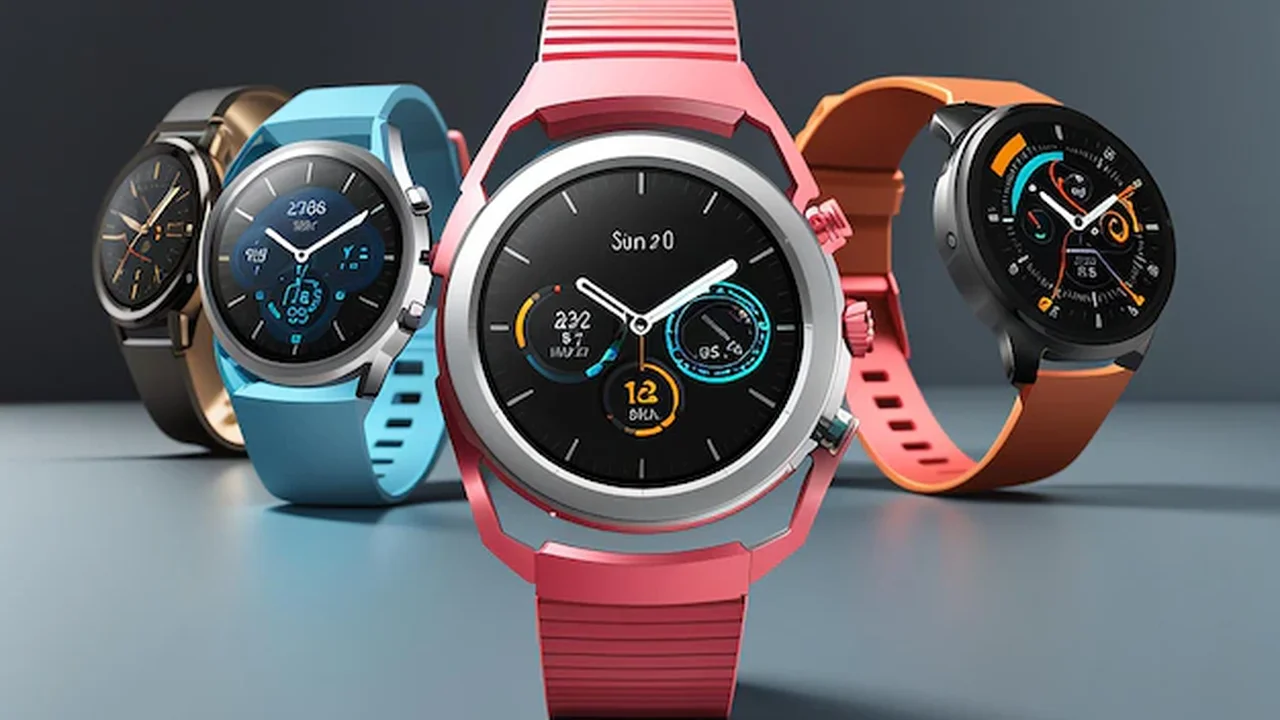
The Future of Smartwatches Innovations and Predictions
Explore the future of smartwatches. Learn about emerging technologies, health advancements, and design trends.

Explore the future of smartwatches. Learn about emerging technologies, health advancements, and design trends.
The Future of Smartwatches Innovations and Predictions
Smartwatch Evolution From Niche Gadget to Everyday Essential
Remember when smartwatches felt like something out of a sci-fi movie? Fast forward to today, and they're practically glued to our wrists. What started as a simple notification device has blossomed into a sophisticated health monitor, fitness coach, communication hub, and even a fashion statement. But where are we headed next? The pace of innovation in the smartwatch world is relentless, and it's exciting to think about what's just around the corner.
Emerging Technologies Driving Smartwatch Innovation
The core of any technological leap is, well, technology! Smartwatches are benefiting from advancements across various fields. Let's dive into some of the key areas that are shaping their future.
Advanced Sensor Technology Beyond Heart Rate and SpO2
We're already familiar with heart rate and blood oxygen (SpO2) monitoring, but the next generation of smartwatches is pushing the boundaries of what's possible. Imagine a watch that can non-invasively monitor blood glucose levels, a game-changer for diabetics. Companies like Apple and Samsung are heavily investing in this, and while it's a complex challenge, prototypes are emerging. Another exciting area is continuous blood pressure monitoring, moving beyond cuff-based measurements to provide real-time insights. Furthermore, we might see more sophisticated hydration sensors, stress level analysis through sweat, and even early detection of certain neurological conditions through subtle physiological changes. The goal is to turn your wrist into a miniature diagnostic lab.
MicroLED Displays The Next Visual Leap for Smartwatches
Currently, OLED displays dominate the smartwatch market, offering vibrant colors and deep blacks. However, MicroLED is poised to be the next big thing. Why? MicroLED offers even greater brightness, better power efficiency, and superior longevity compared to OLED. This means brighter screens that are easier to read in direct sunlight, longer battery life, and no risk of burn-in. Imagine a smartwatch display that's always-on, incredibly crisp, and barely sips power. While still expensive to produce, as manufacturing scales, we'll see these stunning displays on more mainstream smartwatches.
Enhanced Battery Life and Alternative Power Sources
Battery life remains a top concern for many smartwatch users. While some devices offer multi-day battery life, daily charging is still common. The future promises significant improvements. Beyond simply larger batteries, we're looking at more efficient processors, optimized software, and even alternative power sources. Imagine smartwatches that can harvest kinetic energy from your movement, or even solar power from ambient light. Companies like Garmin already incorporate solar charging into some of their high-end outdoor watches, and this technology is likely to become more widespread and efficient, potentially leading to weeks or even months of battery life on a single charge for some models.
AI and Machine Learning Personalized Health Insights
Artificial intelligence and machine learning are already at play in smartwatches, refining activity tracking and sleep analysis. But their role is set to expand dramatically. Future smartwatches will leverage AI to provide truly personalized health insights. Instead of just telling you your heart rate, they might predict potential health issues based on long-term trends and your unique physiological data. AI could analyze your sleep patterns to recommend specific interventions for better rest, or even suggest personalized workout routines based on your recovery and performance. This moves beyond raw data to actionable, intelligent recommendations.
Health Advancements The Smartwatch as a Personal Health Guardian
The health monitoring capabilities of smartwatches are arguably their most impactful feature. This trend will only accelerate, transforming smartwatches into indispensable tools for preventative health and chronic disease management.
Continuous Glucose Monitoring Non-Invasive Solutions
This is the holy grail for many in the health tech space. For millions of diabetics, finger pricks are a daily reality. Non-invasive continuous glucose monitoring (CGM) on a smartwatch would be revolutionary. While still in development, companies like Apple are reportedly making significant progress. Imagine a smartwatch that can alert you to high or low blood sugar levels in real-time, allowing for immediate intervention and better management of the condition. This would not only improve quality of life but also potentially reduce serious health complications.
Advanced Cardiovascular Health Monitoring ECG and Beyond
ECG (electrocardiogram) capabilities are becoming standard on many premium smartwatches, allowing users to detect signs of atrial fibrillation. The future will see even more advanced cardiovascular monitoring. This could include continuous blood pressure monitoring without a cuff, early detection of heart valve issues, and even more sophisticated analysis of heart rhythm to identify other arrhythmias. The goal is to provide early warnings for serious cardiac conditions, potentially saving lives.
Mental Health and Stress Management Biofeedback Integration
Beyond physical health, smartwatches are increasingly focusing on mental well-being. Current features include stress tracking based on heart rate variability. Future smartwatches might integrate more sophisticated biofeedback mechanisms, guiding users through breathing exercises, meditation, or even providing real-time alerts when stress levels are rising. Imagine a watch that can detect early signs of anxiety or depression through physiological markers and suggest interventions or prompt you to seek professional help. This holistic approach to health will become a key differentiator.
Sleep Tracking and Optimization Personalized Interventions
Sleep tracking is already a popular feature, but future smartwatches will offer much more than just sleep stage analysis. AI will be used to provide personalized recommendations for improving sleep quality, based on your unique patterns, daily activities, and even environmental factors. This could include suggestions for optimal bedtime, light exposure, or even dietary adjustments. Some smartwatches might even integrate with smart home devices to adjust lighting and temperature for optimal sleep conditions.
Design Trends and Form Factors Beyond the Wrist
While the traditional wrist-worn form factor will remain dominant, expect to see more diverse designs and even smart devices that go beyond the wrist.
Seamless Integration and Discreet Wearables
The trend is towards more seamless integration. Smartwatches will become even more aesthetically pleasing, blurring the lines between technology and traditional jewelry. Expect thinner profiles, more premium materials, and a wider range of customization options. We might also see more discreet wearables, perhaps integrated into clothing, rings, or even patches, offering health monitoring without the traditional watch form factor.
Modular Smartwatches Customization and Upgradability
Imagine a smartwatch where you can easily swap out components – a better battery, a new sensor module, or a different display. Modular design could offer unprecedented customization and upgradability, allowing users to tailor their device to their specific needs and extend its lifespan. This would be a significant shift from the current model of buying a new watch every few years.
Augmented Reality Integration and Holographic Displays
This is a more futuristic concept, but the integration of augmented reality (AR) could revolutionize how we interact with smartwatches. Imagine a tiny projector on your watch that can display information directly onto your hand or a nearby surface. Or even holographic displays that project 3D images above the watch face. While still in early stages, these technologies could offer entirely new ways to consume information and interact with your device.
Key Players and Their Future Offerings
Let's look at some of the major players and what we might expect from them in the coming years.
Apple Watch The Health and Ecosystem Leader
Apple has consistently pushed the boundaries of smartwatch health features. Expect the Apple Watch to continue leading in this area, with potential breakthroughs in non-invasive glucose monitoring and advanced blood pressure tracking. Their focus will remain on seamless integration with the Apple ecosystem, offering unparalleled user experience and a vast app library. Future models might also see significant battery life improvements and even more robust fitness tracking capabilities for extreme sports. The Apple Watch Ultra, for example, is a testament to their commitment to specialized use cases.
Samsung Galaxy Watch Android's Premium Contender
Samsung, with its strong Android presence, will continue to be a formidable competitor. Expect them to leverage their expertise in display technology and integrate more advanced health sensors. Their partnership with Google on Wear OS means a more unified and powerful Android smartwatch experience. We might see more innovative designs, perhaps even foldable displays on smartwatches, and deeper integration with Samsung's smart home ecosystem. The Galaxy Watch series is likely to continue offering a strong balance of features, design, and value for Android users.
Garmin The Outdoor and Fitness Specialist
Garmin has carved out a niche in the outdoor and serious fitness tracking market. Their future will likely involve even more precise GPS, longer battery life (perhaps with more advanced solar charging), and specialized metrics for a wider range of activities. Expect continued innovation in their Fenix and Forerunner lines, catering to athletes and adventurers. They might also expand their health monitoring capabilities, but their core strength will remain in robust, reliable performance tracking in challenging environments. Their focus on multi-sport athletes and ultra-endurance events sets them apart.
Fitbit Google's Health and Wellness Play
Now part of Google, Fitbit is poised to become a major player in accessible health and wellness tracking. Expect more sophisticated sleep analysis, stress management tools, and potentially more affordable devices with advanced health sensors. Their strength lies in user-friendly interfaces and a strong community aspect. Google's resources could accelerate Fitbit's development in areas like AI-driven health insights and integration with Google's broader services. The Versa and Sense lines will likely continue to evolve, offering a compelling option for everyday health monitoring.
Other Players and Niche Markets
Don't forget about other players! Huawei continues to innovate, especially in battery life and health tracking, though their market access outside China can be challenging. Amazfit offers excellent value with a focus on fitness and long battery life. Brands like Withings are strong in medical-grade health monitoring. We'll also see more specialized smartwatches for specific professions (e.g., healthcare workers, construction) or hobbies (e.g., golf, diving), offering tailored features and rugged designs.
Smartwatch Use Cases Expanding Horizons
The utility of smartwatches is constantly expanding beyond basic notifications and fitness tracking.
Medical and Clinical Applications Remote Patient Monitoring
Smartwatches are increasingly being used in clinical settings for remote patient monitoring. This allows doctors to track vital signs, activity levels, and even medication adherence from a distance. Future smartwatches will play an even larger role in managing chronic diseases, post-operative recovery, and even conducting decentralized clinical trials. Imagine a smartwatch that can detect early signs of a worsening condition and alert healthcare providers, potentially preventing hospitalizations.
Enterprise and Industrial Use Cases Enhanced Productivity
In enterprise settings, smartwatches can enhance productivity and safety. For frontline workers, they can provide hands-free access to information, communication tools, and even safety alerts. Imagine a construction worker receiving real-time safety warnings or a logistics employee scanning barcodes with their watch. In healthcare, smartwatches can streamline communication and provide quick access to patient data. The ruggedness and connectivity of future smartwatches will make them invaluable tools in various industries.
Smart Home Integration Seamless Control
Your smartwatch is already a convenient remote for your smart home devices. This integration will become even more seamless. Imagine controlling your lights, thermostat, security system, or even your smart appliances with simple gestures or voice commands from your wrist. Future smartwatches might even anticipate your needs, adjusting your home environment based on your activity or location.
Gaming and Entertainment Casual Fun on Your Wrist
While not a primary focus, casual gaming and entertainment on smartwatches are growing. Expect more sophisticated games, better graphics, and even integration with augmented reality for unique gaming experiences. Music playback and streaming will also continue to improve, making your smartwatch a truly standalone entertainment device for workouts or commutes.
Challenges and Considerations for the Future
Despite the exciting prospects, there are challenges that need to be addressed for smartwatches to reach their full potential.
Data Privacy and Security Protecting Sensitive Health Information
As smartwatches collect more sensitive health data, privacy and security become paramount. Ensuring that this data is protected from breaches and used ethically is crucial. Companies will need to implement robust encryption, transparent data policies, and give users greater control over their personal information. Regulations like GDPR and HIPAA will continue to shape how this data is handled.
Regulatory Hurdles Medical Device Classification
When smartwatches move beyond wellness tracking to medical diagnostics, they face stringent regulatory hurdles. Features like ECG and blood pressure monitoring often require FDA clearance or similar approvals in other regions. This process is time-consuming and expensive, which can slow down the adoption of truly medical-grade features on consumer devices.
Interoperability and Ecosystem Lock-in
Currently, there's a degree of ecosystem lock-in, especially with Apple Watch. While Wear OS is more open, seamless interoperability between different brands and platforms remains a challenge. For smartwatches to truly flourish, they need to work seamlessly with a wider range of devices and services, regardless of brand. Open standards and APIs could help overcome this.
Affordability and Accessibility Making Smartwatches for Everyone
While budget smartwatches exist, advanced features often come with a premium price tag. For smartwatches to have a truly widespread impact on public health, they need to be affordable and accessible to a broader population. This means continued innovation in manufacturing processes and the development of more cost-effective components.
The Road Ahead for Smartwatches
The future of smartwatches is incredibly bright. They are evolving from mere accessories into powerful, intelligent companions that can significantly impact our health, productivity, and daily lives. With continuous advancements in sensor technology, AI, battery life, and design, smartwatches are poised to become even more indispensable. They will not only keep us connected but also empower us with unprecedented insights into our own bodies and surroundings. Get ready for a future where your wrist holds the key to a healthier, more connected, and more informed you.
:max_bytes(150000):strip_icc()/277019-baked-pork-chops-with-cream-of-mushroom-soup-DDMFS-beauty-4x3-BG-7505-5762b731cf30447d9cbbbbbf387beafa.jpg)