Smartwatch Warranties and After Sales Support Guide
Understand smartwatch warranties and after-sales support. Know your rights and what to expect from manufacturers.
Understand smartwatch warranties and after-sales support. Know your rights and what to expect from manufacturers.
Smartwatch Warranties and After Sales Support Guide
Navigating Smartwatch Warranties Understanding Your Coverage
So, you've just splurged on a shiny new smartwatch, or maybe you're thinking about it. That's awesome! But before you dive headfirst into tracking your steps and checking notifications on your wrist, let's talk about something super important: warranties and after-sales support. Trust me, this isn't the most exciting topic, but it's crucial for protecting your investment and ensuring peace of mind. Think of it as your smartwatch's safety net.
Most smartwatches come with a standard manufacturer's warranty. This typically covers defects in materials and workmanship for a specific period, usually one year from the date of purchase. This means if your watch suddenly stops working due to a manufacturing flaw, the company should repair or replace it for free. However, it's vital to read the fine print. Warranties usually don't cover accidental damage like dropping your watch, water damage (unless it's specifically rated for it and the damage occurs within its specified limits), or normal wear and tear. Some brands might offer extended warranties or accidental damage protection plans for an additional cost, which can be a smart move if you're prone to mishaps or just want extra security.
For instance, Apple offers a one-year limited warranty for its Apple Watch, covering manufacturing defects. You can also purchase AppleCare+ for Apple Watch, which extends your coverage to two years from your AppleCare+ purchase date and adds up to two incidents of accidental damage coverage every 12 months, each subject to a service fee. This is a great option for those who are active or just want that extra layer of protection.
Samsung, on the other hand, typically provides a one-year limited warranty for its Galaxy Watch series. They also offer Samsung Care+, which provides extended warranty coverage and accidental damage protection, often with a deductible for repairs or replacements. The terms and pricing for Samsung Care+ can vary by region, so it's always good to check their local website.
Garmin, known for its robust fitness smartwatches, usually offers a one-year warranty on its devices. Their warranty covers defects in materials or workmanship. While they don't always push extended warranty plans as aggressively as some other brands, their customer service is generally well-regarded for handling warranty claims efficiently.
Manufacturer After Sales Support What to Expect from Smartwatch Brands
Beyond the warranty, after-sales support is where a company truly shines. This includes everything from technical assistance and troubleshooting to repair services and customer service hotlines. Good after-sales support can make a huge difference if you encounter issues with your smartwatch.
When it comes to after-sales support, Apple is often considered a benchmark. They offer extensive online support resources, including detailed knowledge bases, troubleshooting guides, and community forums. You can also get direct support via phone, chat, or by visiting an Apple Store for in-person assistance. Their Genius Bar appointments are particularly helpful for diagnosing issues and arranging repairs. Their repair service is generally efficient, though out-of-warranty repairs can be pricey.
Samsung also provides comprehensive after-sales support. They have a dedicated customer service hotline, live chat support, and a vast online support portal with FAQs and user manuals. Samsung also has authorized service centers where you can take your Galaxy Watch for repairs. Their support network is quite extensive, especially in major markets like the US and Southeast Asia.
Garmin's after-sales support is highly praised by its user base, especially for fitness enthusiasts. They offer phone and email support, along with a robust online support center that includes product manuals, software updates, and troubleshooting articles. Garmin's focus on outdoor and fitness devices means their support often has specialized knowledge for those use cases. They also have a good reputation for handling warranty claims and providing replacement units when necessary.
Fitbit, now part of Google, offers online support through their help center, community forums, and social media channels. They also provide phone and chat support. While their support is generally responsive, some users have reported varying experiences depending on the complexity of the issue. For hardware issues, they typically offer replacements under warranty.
Specific Product Warranty and Support Examples Smartwatch Brands Compared
Let's dive into some specific examples to give you a clearer picture of what to expect from different smartwatch brands.
Apple Watch Series 9
* Warranty: 1-year limited warranty for manufacturing defects.
* Extended Coverage: AppleCare+ for Apple Watch (extends coverage to 2 years, includes up to two incidents of accidental damage every 12 months, each subject to a service fee).
* After-Sales Support: Extensive online support, phone, chat, in-person Genius Bar appointments at Apple Stores. Repair services are efficient but can be costly out-of-warranty.
* Typical Repair Costs (Out-of-Warranty): Screen repair can range from $299 to $399 depending on the model. Battery service is typically $99. Full device replacement for other damage can be $299-$549.
* Use Case: Ideal for iPhone users who want seamless integration, robust health tracking (ECG, blood oxygen, temperature sensing), and a wide range of apps. Apple's support ecosystem is a major draw.
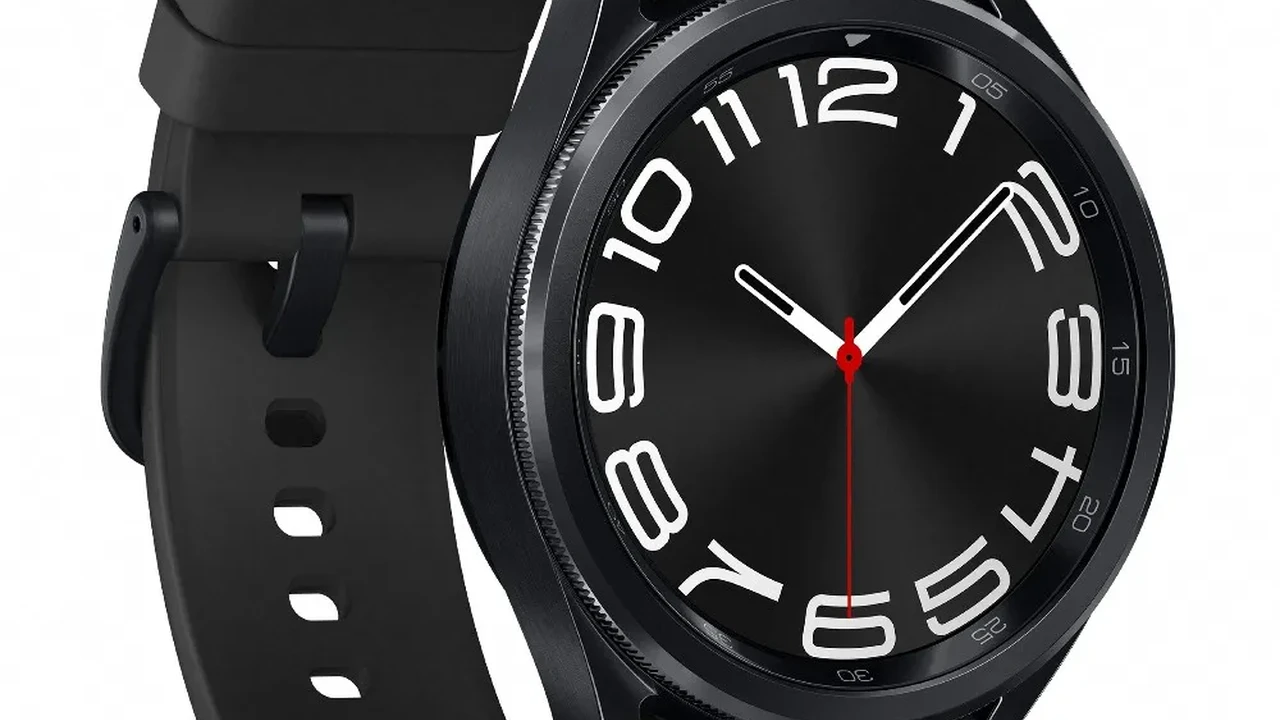
Samsung Galaxy Watch 6 Classic
* Warranty: 1-year limited warranty for manufacturing defects.
* Extended Coverage: Samsung Care+ (extended warranty and accidental damage protection, often with a deductible).
* After-Sales Support: Online support, phone, chat, authorized service centers. Good network of repair facilities.
* Typical Repair Costs (Out-of-Warranty): Screen repair can be around $150-$250. Battery replacement around $80-$120. Other damage can lead to higher costs or replacement.
* Use Case: Best for Android users, especially Samsung phone owners, looking for a feature-rich smartwatch with Wear OS, excellent display, and comprehensive health tracking. Samsung's support is generally reliable.
Garmin Fenix 7 Pro
* Warranty: 1-year limited warranty for manufacturing defects.
* Extended Coverage: Generally no direct extended warranty plans offered by Garmin, but third-party retailers might offer their own.
* After-Sales Support: Strong online support, phone, and email. Known for good customer service for warranty claims and technical issues, especially for outdoor and fitness-related queries.
* Typical Repair Costs (Out-of-Warranty): Garmin often offers replacement units at a reduced cost for out-of-warranty issues rather than component-level repairs. Costs can vary widely depending on the issue and model, but expect $200-$400 for a replacement.
* Use Case: Perfect for serious athletes, outdoor adventurers, and anyone prioritizing advanced fitness metrics, long battery life, and rugged durability. Garmin's support is tailored to its niche.
Google Pixel Watch 2
* Warranty: 1-year limited warranty (may vary by region, some regions offer 2 years).
* Extended Coverage: Google Preferred Care (extended warranty and accidental damage protection).
* After-Sales Support: Online support, phone, chat. Leveraging Google's broader support infrastructure. Repairs are typically handled by authorized partners.
* Typical Repair Costs (Out-of-Warranty): Screen repair can be around $199-$250. Battery replacement around $99. Full device replacement for other damage can be $250-$350.
* Use Case: Ideal for Android users who want a pure Wear OS experience, deep Google integration, and a sleek, minimalist design. Support is evolving as Google expands its hardware presence.
Fitbit Sense 2
* Warranty: 1-year limited warranty for manufacturing defects.
* Extended Coverage: Some retailers offer extended warranty plans.
* After-Sales Support: Online help center, community forums, phone, and chat support. Generally good for troubleshooting and replacements under warranty.
* Typical Repair Costs (Out-of-Warranty): Fitbit typically offers replacement devices at a discounted rate for out-of-warranty issues rather than repairs. A replacement might cost $100-$150.
* Use Case: Best for users primarily focused on comprehensive health and wellness tracking, including stress management, sleep tracking, and activity monitoring. Fitbit's support is geared towards these health features.
Navigating Warranty Claims and Repair Processes for Smartwatches
So, you've got an issue and need to make a warranty claim or get a repair. What's the process like? While it varies slightly by brand, there's a general flow you can expect.
First, always try basic troubleshooting. A quick restart, checking for software updates, or re-pairing with your phone can often resolve minor glitches. If that doesn't work, head to the manufacturer's support website. They usually have extensive FAQs and troubleshooting guides that might help you self-diagnose and fix the problem.
If the issue persists, it's time to contact customer support. Most brands offer multiple channels: phone, live chat, or email. Be prepared to provide your device's serial number (usually found on the back of the watch or in its settings), proof of purchase (receipt or order confirmation), and a clear description of the problem. The support agent will guide you through further troubleshooting steps or initiate a return merchandise authorization (RMA) if a repair or replacement is needed.
For warranty claims, you'll typically be asked to ship your device to a service center. Some brands, like Apple, might offer in-store drop-off. Once received, the service center will assess the damage. If it's covered under warranty, they'll repair or replace the device and ship it back to you. The turnaround time can vary, but usually, it's within 1-2 weeks. If the damage isn't covered (e.g., accidental damage), they'll usually provide a quote for the repair or replacement, and you can decide whether to proceed.
It's always a good idea to back up any data on your smartwatch before sending it in for service, if possible. While smartwatches don't store as much personal data as phones, some fitness data or custom settings might be lost during a repair or replacement.
Tips for Maximizing Your Smartwatch's Lifespan and Avoiding Warranty Issues
Prevention is always better than cure, right? Here are some practical tips to keep your smartwatch in top shape and potentially avoid needing that warranty or repair service in the first place:
* Use a Screen Protector and Case: Just like your phone, a good screen protector can save your smartwatch display from scratches and minor impacts. A protective case can shield the body from dings and dents. This is especially true for more delicate smartwatches like the Apple Watch or Pixel Watch.
* Understand Water Resistance: Don't assume your 'water-resistant' watch is fully waterproof. Check its ATM or IP rating. 5 ATM usually means it's safe for swimming, but not deep diving. IP68 is good for splashes and brief immersion. Always rinse your watch with fresh water after exposure to salt water or chlorinated pools.
* Charge Smartly: Use the original charger and cable. Avoid overcharging or letting the battery completely drain too often, as this can degrade battery health over time. Keep the charging contacts clean.
* Keep it Clean: Regularly wipe down your smartwatch and band to remove sweat, dirt, and oils. This prevents skin irritation and keeps sensors accurate. Use a soft, lint-free cloth, slightly dampened if necessary.
* Software Updates: Always install software updates. They often include bug fixes, performance improvements, and security patches that can prevent issues.
* Avoid Extreme Temperatures: Don't leave your smartwatch in direct sunlight for extended periods or in extremely cold environments. Extreme temperatures can damage the battery and internal components.
* Handle with Care: While smartwatches are designed to be worn daily, they're still electronic devices. Avoid unnecessary impacts or rough handling.
By following these simple guidelines, you can significantly extend the life of your smartwatch and reduce the likelihood of needing to tap into that warranty or after-sales support. But if you do, at least now you're well-equipped to navigate the process like a pro. Happy smart-watching!
:max_bytes(150000):strip_icc()/277019-baked-pork-chops-with-cream-of-mushroom-soup-DDMFS-beauty-4x3-BG-7505-5762b731cf30447d9cbbbbbf387beafa.jpg)