Smartwatch vs Fitness Tracker Which One Do You Need
Decide between a smartwatch and a fitness tracker. Understand their differences and choose the device that best fits your needs.
Decide between a smartwatch and a fitness tracker. Understand their differences and choose the device that best fits your needs.
Smartwatch vs Fitness Tracker Which One Do You Need
Understanding the Core Differences Smartwatch vs Fitness Tracker
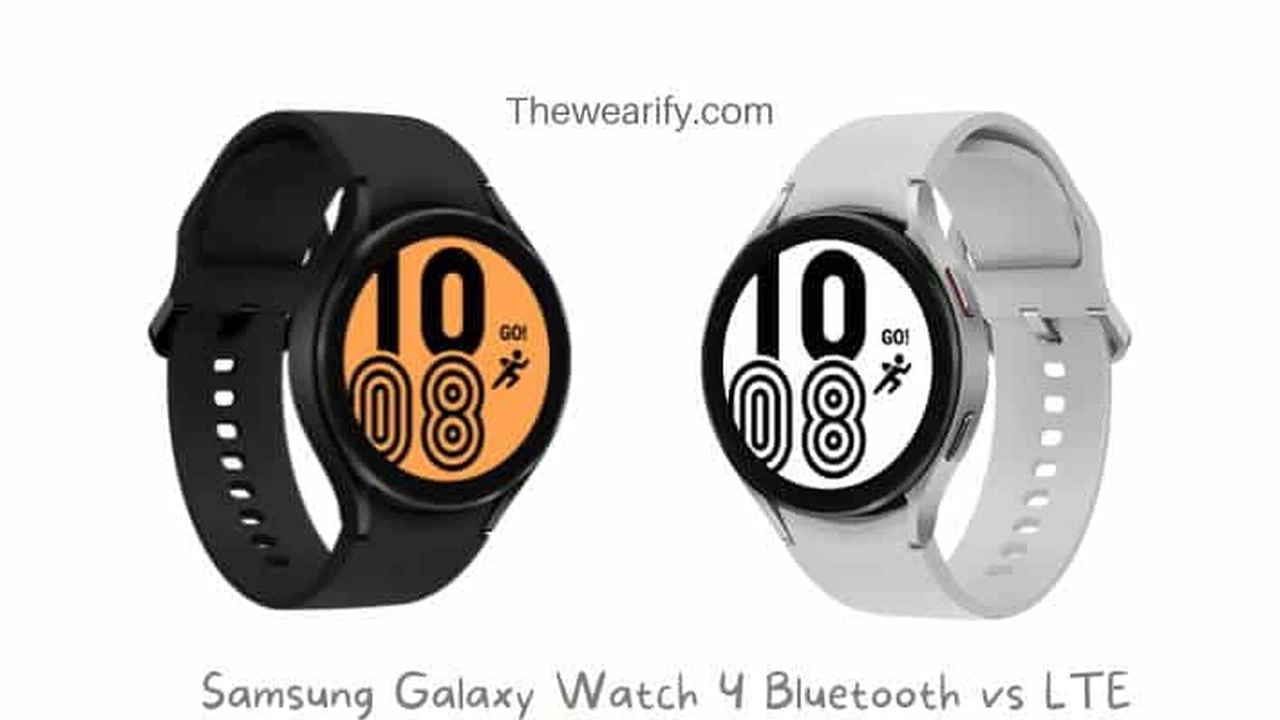
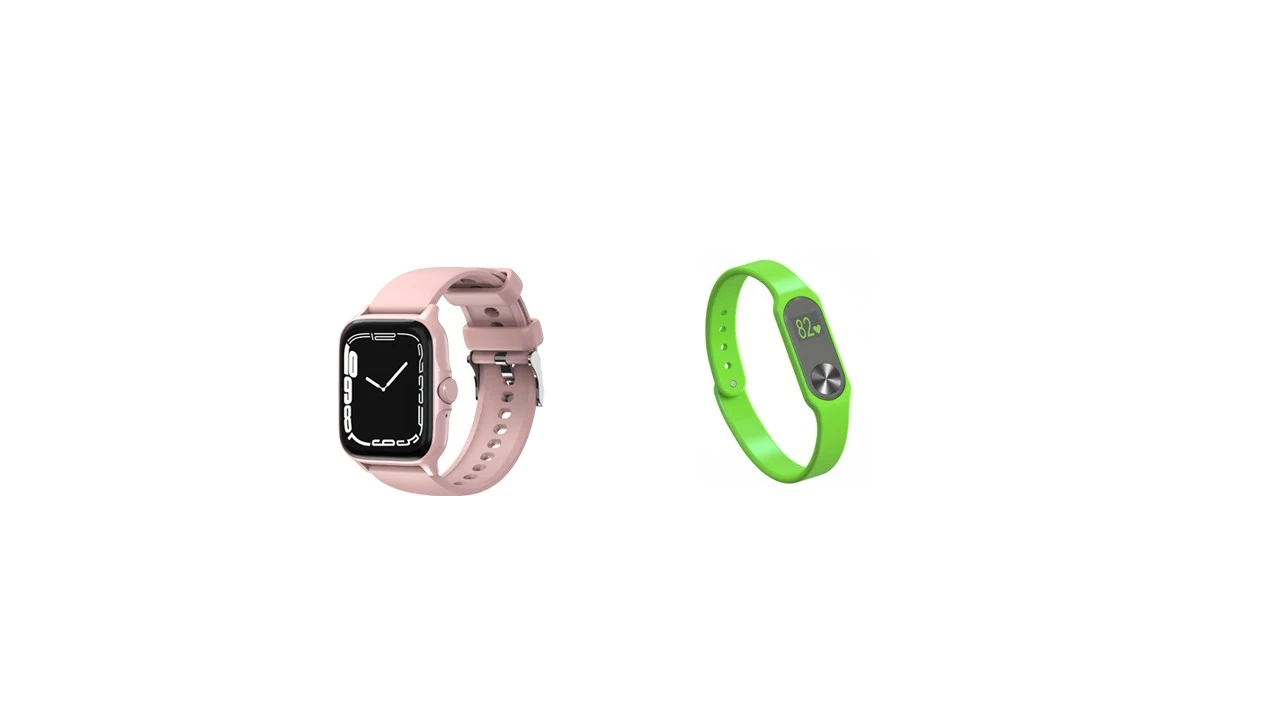
So, you're looking to get a wearable device, huh? That's awesome! But then you hit a wall: should you go for a smartwatch or a fitness tracker? It's a common dilemma, and honestly, there's no one-size-fits-all answer. It really boils down to what you need, what you want to track, and how much you're willing to spend. Let's break down the fundamental differences between these two popular gadgets. Think of a fitness tracker as your dedicated health and activity coach. Its primary job is to monitor your physical activity, sleep patterns, and basic health metrics. We're talking step counts, calories burned, distance traveled, heart rate, and sometimes even sleep stages. They're usually more streamlined, often with simpler displays, and tend to focus heavily on battery life because, well, you want to track your whole day, right? They're fantastic for motivating you to move more, hit your daily goals, and get a general overview of your well-being. On the other hand, a smartwatch is like a mini-smartphone on your wrist. While it definitely has robust fitness tracking capabilities, it goes way beyond that. Smartwatches are designed to keep you connected, productive, and entertained. They can receive notifications from your phone, make calls, send texts, run apps, play music, and even make contactless payments. They typically feature larger, more vibrant displays, offer more advanced sensors, and come with a wider range of customization options, from watch faces to interchangeable bands. Because they do so much, their battery life is often shorter than a dedicated fitness tracker.Key Features and Functionality What Each Device Offers
Let's dive a bit deeper into the specific features you can expect from each type of device. This will help you figure out which set of functionalities aligns best with your daily life.Fitness Tracker Features Essential Health Monitoring
Most fitness trackers, even the more affordable ones, will offer a solid set of health and fitness monitoring features. Here's what you'll typically find:- Step Counting and Distance Tracking: This is the bread and butter of any fitness tracker. It uses an accelerometer to count your steps and estimate the distance you've walked or run.
- Calorie Burn Estimation: Based on your activity level, heart rate, and personal data (like age, weight, height), trackers estimate the calories you've burned throughout the day.
- Heart Rate Monitoring: Most modern fitness trackers include an optical heart rate sensor to continuously monitor your heart rate, both at rest and during exercise. Some even offer resting heart rate trends.
- Sleep Tracking: These devices can analyze your sleep patterns, detecting when you fall asleep, wake up, and the different stages of sleep (light, deep, REM). They often provide a sleep score and insights to help you improve your sleep quality.
- Activity Reminders: If you've been sedentary for too long, your tracker might vibrate to remind you to get up and move.
- Basic Workout Tracking: While not as detailed as smartwatches, fitness trackers can often track specific workouts like runs, walks, or bike rides, providing duration, distance, and average heart rate.
- Water Resistance: Many fitness trackers are water-resistant, making them suitable for showering or swimming.
Smartwatch Features Beyond Fitness Connectivity and Convenience
Smartwatches encompass all the fitness tracking features of a dedicated tracker, but then they layer on a whole host of 'smart' functionalities. Here's a breakdown:- Smartphone Notifications: Get alerts for calls, texts, emails, and app notifications directly on your wrist, so you don't have to constantly check your phone.
- Call and Text Management: Depending on the model, you can answer calls, make calls, and respond to texts directly from your smartwatch, especially if it has a built-in microphone and speaker or LTE connectivity.
- App Ecosystem: Smartwatches run on operating systems like Apple's watchOS or Google's Wear OS, which means they have access to a wide range of third-party apps for navigation, productivity, music, and more.
- Contactless Payments (NFC): Pay for groceries or coffee with a tap of your wrist using services like Apple Pay, Google Pay, or Samsung Pay.
- Music Control and Storage: Control music playback on your phone or store music directly on your watch for phone-free listening with Bluetooth headphones.
- GPS: Built-in GPS allows for accurate tracking of outdoor activities without needing your phone, and also enables on-wrist navigation.
- Advanced Health Sensors: Beyond basic heart rate, many smartwatches offer ECG (electrocardiogram) for detecting irregular heart rhythms, SpO2 (blood oxygen) monitoring, skin temperature sensing, and even fall detection.
- Voice Assistants: Interact with Siri, Google Assistant, or Alexa directly from your wrist to set reminders, ask questions, or control smart home devices.
- Customization: Change watch faces, swap out bands, and personalize your device to match your style.
Target Audience Who Benefits Most From Each Device
Understanding who each device is designed for can really help narrow down your choice.Fitness Trackers Ideal for Health Enthusiasts and Budget-Conscious Users
Fitness trackers are perfect for individuals who:- Are primarily focused on health and fitness: If your main goal is to track your steps, monitor your heart rate during workouts, improve your sleep, and get a general overview of your activity levels, a fitness tracker is more than sufficient.
- Prefer simplicity: They're generally easier to use, with fewer features to navigate, making them less overwhelming for those who just want to track and go.
- Value long battery life: Most fitness trackers can last several days, sometimes even weeks, on a single charge, which is great for continuous tracking without constant recharging.
- Are on a budget: Fitness trackers are typically much more affordable than smartwatches, offering excellent value for their core functionalities.
- Don't want constant phone notifications: If you're trying to disconnect a bit or just don't need every notification buzzing on your wrist, a fitness tracker offers a less intrusive experience.
Smartwatches Perfect for Tech-Savvy Individuals and Connected Lifestyles
Smartwatches are better suited for those who:- Want a seamless extension of their smartphone: If you love the idea of managing notifications, calls, and apps directly from your wrist, a smartwatch is for you.
- Are looking for advanced health monitoring: For features like ECG, SpO2, or more detailed workout metrics, smartwatches often offer more sophisticated sensors and analysis.
- Enjoy customization and personalization: If you like to change your watch face daily or swap out bands to match your outfit, smartwatches offer unparalleled flexibility.
- Need on-the-go convenience: Contactless payments, built-in GPS for phone-free runs, and music storage make smartwatches incredibly convenient for an active, connected lifestyle.
- Are comfortable with a higher price point and more frequent charging: The advanced features come with a higher cost and typically shorter battery life.
Popular Products and Their Use Cases Smartwatch and Fitness Tracker Recommendations
Let's look at some specific models that exemplify the best of both worlds, along with their typical price ranges and ideal users.Top Fitness Trackers Value and Performance
Fitbit Charge 6 The All-Rounder Fitness Companion
Price Range: $159 - $179
Use Case: The Fitbit Charge 6 is an excellent choice for anyone serious about fitness tracking but who doesn't need a full-blown smartwatch. It offers a vibrant AMOLED display, built-in GPS (so you can leave your phone at home for runs), and a comprehensive suite of health sensors including heart rate, SpO2, and even an ECG app. It integrates seamlessly with Google services like Google Maps and Google Wallet for contactless payments, adding a touch of smartwatch convenience without the full price tag. Its battery life is impressive, lasting up to 7 days.
Comparison: Compared to simpler trackers, the Charge 6 offers more advanced health metrics and GPS. It's a step up from basic trackers like the Fitbit Inspire series but still more focused on fitness than a Versa or Sense smartwatch.
Garmin Vivosmart 5 Discreet and Data-Rich
Price Range: $149 - $169
Use Case: The Garmin Vivosmart 5 is perfect for users who want detailed fitness and health data in a discreet, comfortable form factor. It's less flashy than some other trackers, with a simple, easy-to-read display. It excels in tracking a wide range of activities, including strength training, and offers Garmin's robust health monitoring features like Body Battery energy monitoring, Pulse Ox (SpO2), and advanced sleep tracking. It's also great for those who are already in the Garmin ecosystem for more serious sports tracking.
Comparison: The Vivosmart 5 is more focused on raw data and Garmin's extensive health metrics than the Charge 6, which has a slightly more consumer-friendly interface and Google integration. It lacks built-in GPS, relying on your phone for connected GPS.
Xiaomi Smart Band 8 Budget-Friendly Brilliance
Price Range: $39 - $59
Use Case: If you're on a tight budget but still want reliable fitness tracking, the Xiaomi Smart Band 8 is an unbeatable option. It offers a surprisingly good AMOLED display, continuous heart rate monitoring, SpO2 tracking, and sleep analysis. It tracks over 150 sports modes and boasts an impressive battery life of up to 16 days. It's a fantastic entry-level device for those just starting their fitness journey or who want a simple, no-frills tracker.
Comparison: While it lacks built-in GPS and advanced payment features of the Charge 6, or the deep health insights of Garmin, the Smart Band 8 provides incredible value for its price, covering all the basic fitness tracking needs effectively.
Top Smartwatches Connectivity and Advanced Features
Apple Watch Series 9 The Ultimate iPhone Companion
Price Range: $399 - $799 (depending on size, connectivity, and materials)
Use Case: The Apple Watch Series 9 is the go-to choice for iPhone users who want the most comprehensive smartwatch experience. It offers unparalleled integration with the Apple ecosystem, seamless notification management, robust health monitoring (ECG, SpO2, temperature sensing, fall detection), and advanced fitness tracking. With cellular models, you can make calls, stream music, and use apps without your phone. Its bright, always-on display and intuitive interface make it a joy to use for everything from replying to texts to tracking a marathon.
Comparison: The Apple Watch is the benchmark for smartwatches, offering the most polished user experience and deepest integration for iPhone users. Its health features are among the most advanced on the market. However, it's exclusively for iPhone users and comes at a premium price.
Samsung Galaxy Watch 6 Classic Best for Android Users
Price Range: $299 - $429 (depending on size and connectivity)
Use Case: For Android users, especially those with Samsung phones, the Galaxy Watch 6 Classic is an outstanding choice. Running on Wear OS Powered by Samsung, it offers a rich app ecosystem, Google services (Maps, Wallet), and excellent health and fitness tracking. The rotating bezel provides a unique and satisfying way to navigate the interface. It includes ECG, SpO2, body composition analysis, and advanced sleep tracking. It's a stylish and powerful smartwatch that truly extends your Android phone's capabilities.
Comparison: The Galaxy Watch 6 Classic is the closest Android equivalent to the Apple Watch in terms of features and polish. It offers a more traditional watch aesthetic than the standard Galaxy Watch 6 and is highly competitive in terms of health tracking and app support for Android users.
Garmin Forerunner 265 The Runner's Smartwatch
Price Range: $449 - $499
Use Case: While often categorized as a running watch, the Forerunner 265 is a full-fledged smartwatch for serious athletes and fitness enthusiasts. It boasts a stunning AMOLED display, multi-band GPS for incredible accuracy, and Garmin's industry-leading training metrics (training readiness, HRV status, race widget). It offers smart notifications, music storage, and Garmin Pay for contactless payments. If your primary use case is detailed sports performance tracking with smart features as a bonus, this is an excellent choice.
Comparison: Unlike the Apple Watch or Galaxy Watch which are general-purpose smartwatches with strong fitness features, the Forerunner 265 is a sports watch first, smartwatch second. Its focus is on providing unparalleled data and insights for training and performance, making it ideal for dedicated runners, cyclists, and triathletes.
:max_bytes(150000):strip_icc()/277019-baked-pork-chops-with-cream-of-mushroom-soup-DDMFS-beauty-4x3-BG-7505-5762b731cf30447d9cbbbbbf387beafa.jpg)