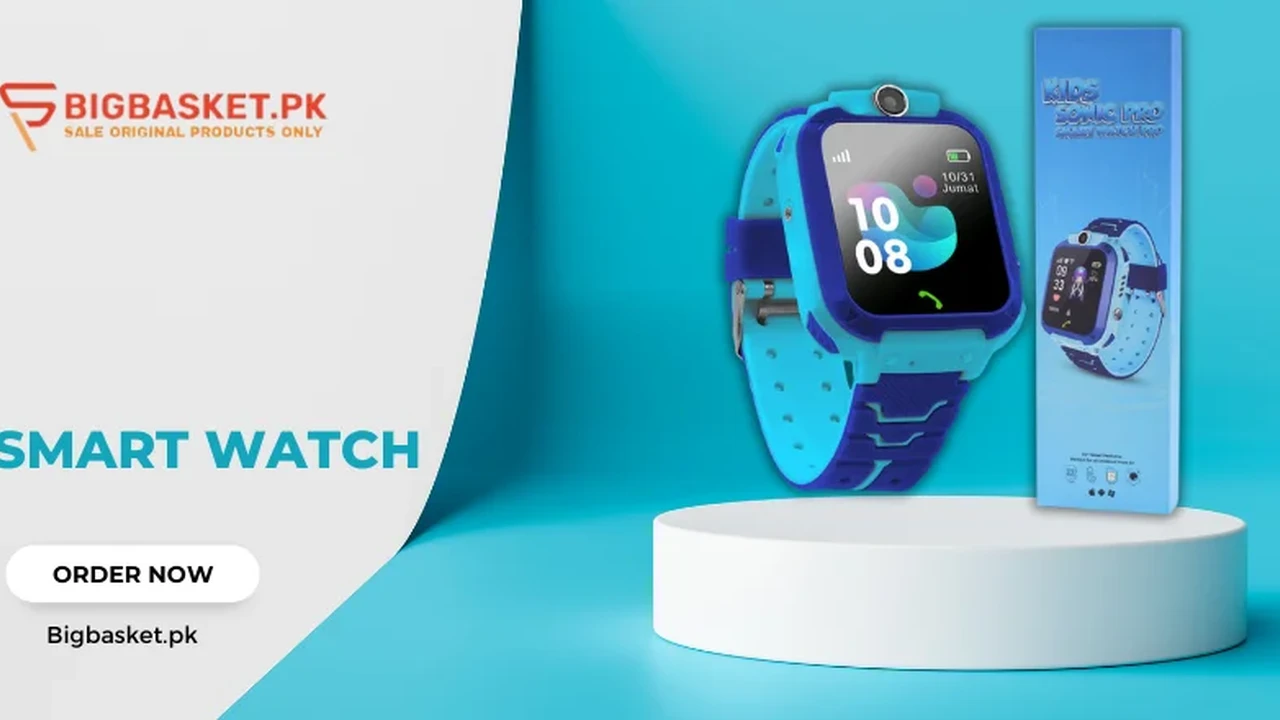
Understand the environmental impact of smartwatches and the industry's efforts towards recycling and sustainability.
Understand the environmental impact of smartwatches and the industry's efforts towards recycling and sustainability.
Smartwatch Recycling and Sustainability Efforts
The Growing Electronic Waste Problem and Smartwatches
Hey there, ever thought about what happens to your old smartwatch when you upgrade? Or even when it just stops working? It's a pretty common scenario these days. We're constantly getting new tech, and smartwatches are no exception. But all this innovation comes with a hidden cost: electronic waste, or e-waste. Smartwatches, while small, contribute to this growing mountain of discarded electronics. They're packed with valuable materials like rare earth elements, precious metals, and plastics, but also contain hazardous substances like lead, mercury, and cadmium. When these devices end up in landfills, those harmful materials can leach into the soil and water, causing serious environmental damage. Plus, we're losing out on the chance to recover those valuable resources. It's a big deal, and it's something we all need to be more aware of.
Why Smartwatch Recycling Matters for a Greener Future
So, why should you care about recycling your smartwatch? Well, for starters, it's a huge win for the environment. Proper recycling means those hazardous materials are handled safely, preventing pollution. But it's not just about preventing harm; it's also about resource conservation. Think about it: every time we recycle a smartwatch, we're reducing the need to mine for new raw materials. This saves energy, reduces greenhouse gas emissions, and lessens the environmental impact of mining operations. It also helps create a circular economy, where products and materials are kept in use for as long as possible, rather than being thrown away after a single use. It's a more sustainable way of living and consuming, and smartwatches are a perfect example of where we can make a real difference.
How to Responsibly Recycle Your Old Smartwatch
Alright, so you're convinced recycling is the way to go. But how do you actually do it? It's easier than you might think! First off, always check with the manufacturer of your smartwatch. Many big brands like Apple, Samsung, and Garmin have their own take-back programs or partnerships with certified recyclers. For example, Apple has its Apple Trade In program where you can get credit for your old device, or they'll recycle it for free. Samsung also offers recycling options through their authorized service centers. Garmin often has information on their website about how to recycle their products responsibly. Beyond the manufacturers, there are dedicated e-waste recycling centers in most communities. A quick online search for "e-waste recycling near me" should give you a list of local options. Some electronics retailers, like Best Buy in the US, also offer in-store recycling for various electronics, including smartwatches. Before you drop it off, remember to wipe all your personal data from the device. Do a factory reset to ensure your information is secure. It's a crucial step for your privacy.
Industry Efforts Towards Sustainable Smartwatch Production
It's not just about what we do as consumers; the smartwatch industry itself is stepping up its game when it comes to sustainability. Many companies are now focusing on using more recycled materials in their new products. For instance, Apple has been increasing its use of recycled aluminum in the Apple Watch casings and recycled rare earth elements in components. Samsung is also incorporating recycled plastics into some of its newer Galaxy Watch models. Beyond materials, manufacturers are looking at the entire lifecycle of their products. This includes designing smartwatches that are more durable and easier to repair, which extends their lifespan and reduces the need for frequent replacements. Some brands are also working on reducing packaging waste by using more sustainable and recyclable materials for their boxes and inserts. It's a slow but steady shift towards a more environmentally conscious approach to tech manufacturing.
The Role of Consumers in Driving Smartwatch Sustainability
As consumers, we have a huge role to play in pushing for greater sustainability in the smartwatch industry. Our choices directly influence what companies produce. When we demand more sustainable products, companies listen. So, what can you do? First, consider buying smartwatches from brands that have a strong commitment to sustainability. Look for certifications or public statements about their environmental practices. Second, extend the life of your current smartwatch. Take good care of it, use screen protectors and cases, and get it repaired if something breaks instead of immediately buying a new one. Third, when it's time to upgrade, always choose to recycle your old device responsibly. Don't just toss it in the trash. And finally, spread the word! Talk to your friends and family about the importance of e-waste recycling and sustainable tech consumption. Every little bit helps, and together, we can make a real difference in reducing the environmental footprint of our beloved smartwatches.
Future Innovations in Smartwatch Sustainability
The future of smartwatch sustainability looks pretty exciting. We're seeing a lot of innovation in this space. One area is modular design, where smartwatches could be designed with easily replaceable components. Imagine being able to swap out a worn-out battery or a damaged screen yourself, rather than replacing the whole device. This would significantly extend the lifespan of smartwatches. Another promising area is the development of more eco-friendly materials. Researchers are exploring biodegradable plastics and other sustainable alternatives to traditional electronic components. We might also see more energy-efficient smartwatches that require less frequent charging, further reducing their environmental impact. And let's not forget about advanced recycling technologies that can more efficiently recover valuable materials from complex electronic devices. The goal is to create a truly circular economy for smartwatches, where every part of the device can be reused, repaired, or recycled, minimizing waste and maximizing resource efficiency. It's a journey, but the industry and consumers are moving in the right direction.

:max_bytes(150000):strip_icc()/277019-baked-pork-chops-with-cream-of-mushroom-soup-DDMFS-beauty-4x3-BG-7505-5762b731cf30447d9cbbbbbf387beafa.jpg)