Smartwatch Water Damage Prevention and Recovery
Learn how to prevent smartwatch water damage and what steps to take if your device gets wet.
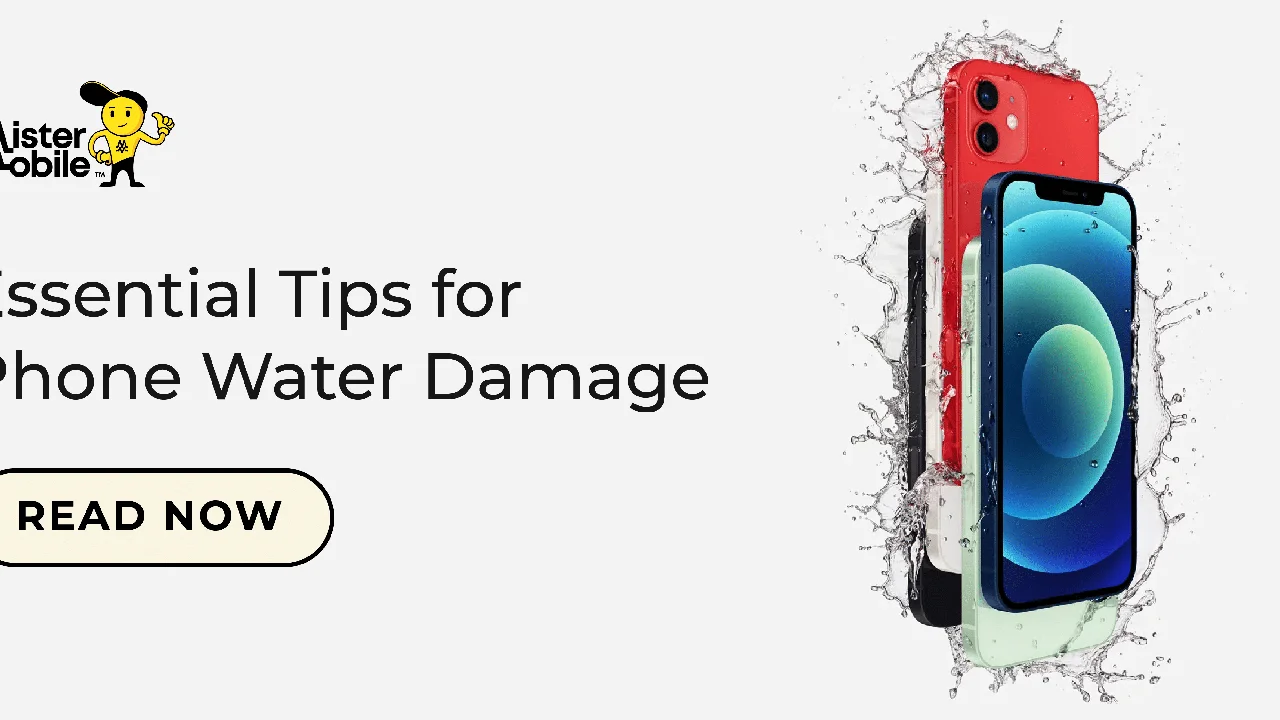
Learn how to prevent smartwatch water damage and what steps to take if your device gets wet. Smartwatches are incredible pieces of technology, but like any electronic device, they have their vulnerabilities. One of the most common and frustrating issues is water damage. Whether it's an accidental dip in the pool, a forgotten shower, or just getting caught in a downpour, water can wreak havoc on your beloved wrist companion. But don't fret! This comprehensive guide will walk you through everything you need to know about preventing water damage and, if the worst happens, how to recover your smartwatch.
Understanding Smartwatch Water Resistance Ratings Explained ATM IP
Before we dive into prevention and recovery, it's crucial to understand what those mysterious 'ATM' and 'IP' ratings on your smartwatch actually mean. Many people confuse 'water resistant' with 'waterproof,' and this misunderstanding often leads to accidental damage. Let's clear that up.ATM Ratings Atmospheric Pressure
ATM stands for 'Atmospheres' or 'Atmospheric Pressure.' This rating indicates the amount of static pressure a device can withstand. It's often used for traditional watches and smartwatches alike. Here's a quick breakdown:- 3 ATM (30 meters): This means the watch can withstand splashes, rain, and brief immersion in shallow water. Think handwashing or light rain. It's generally not suitable for swimming or showering.
- 5 ATM (50 meters): This level is usually safe for swimming in shallow water, like a pool or ocean. However, it's still not recommended for high-impact water sports, diving, or hot showers/saunas, as temperature changes and steam can compromise seals.
- 10 ATM (100 meters): Smartwatches with this rating are suitable for swimming, snorkeling, and some water sports. They can handle more prolonged immersion.
- 20 ATM (200 meters) and above: These are typically designed for serious water sports, diving, and professional marine activities.
IP Ratings Ingress Protection
IP ratings are more specific and are commonly used for electronic devices. 'IP' stands for 'Ingress Protection,' and it's followed by two digits. The first digit indicates protection against solid objects (like dust), and the second digit indicates protection against liquids (water).- First Digit (Solids):
- 0: No protection
- 1: Protection against solid objects over 50mm
- 2: Protection against solid objects over 12.5mm
- 3: Protection against solid objects over 2.5mm
- 4: Protection against solid objects over 1mm
- 5: Dust protected (limited ingress, no harmful deposits)
- 6: Dust tight (no ingress of dust)
- Second Digit (Liquids):
- 0: No protection
- 1: Protection against vertically falling drops of water
- 2: Protection against vertically falling drops of water when tilted up to 15 degrees
- 3: Protection against spraying water
- 4: Protection against splashing water
- 5: Protection against water jets
- 6: Protection against powerful water jets
- 7: Protection against immersion in water up to 1 meter for 30 minutes
- 8: Protection against continuous immersion in water beyond 1 meter (manufacturer specified depth and time)
- 9K: Protection against high-pressure, high-temperature jet sprays
Smartwatch Water Damage Prevention Best Practices
Knowing the ratings is the first step, but proactive prevention is key. Here are some essential tips to keep your smartwatch safe from water damage:Always Check Your Smartwatch Rating Before Water Exposure
This might seem obvious, but it's the most crucial step. Don't assume your new smartwatch is waterproof just because it's a 'smartwatch.' Always check the manufacturer's specifications for its ATM or IP rating. If it's only 3 ATM or IPX4, keep it away from the pool!Avoid Hot Water and Steam
Even smartwatches with high water resistance ratings can be damaged by hot water, steam, or sudden temperature changes. Hot water can expand the seals, creating tiny gaps that allow water vapor to enter. This is why showering, bathing, or using a sauna/steam room with your smartwatch is generally not recommended, even if it's rated for swimming.Rinse After Saltwater or Chlorinated Water Exposure
If you've taken your smartwatch for a dip in the ocean or a chlorinated pool, it's a good practice to rinse it with fresh, clean water afterward. Salt and chlorine can be corrosive over time and can degrade the seals or leave residue that affects performance. Just a gentle rinse under a tap is usually sufficient.Ensure Buttons and Crowns Are Not Pressed Underwater
Pressing buttons or rotating crowns underwater can create a momentary opening in the seal, allowing water to seep in. Always avoid interacting with your smartwatch's physical controls when it's submerged.Inspect for Cracks or Damage Regularly
Even a tiny crack in the screen or casing can compromise your smartwatch's water resistance. Regularly inspect your device for any signs of physical damage. If you drop your smartwatch, even if it seems fine, its water resistance might be compromised.Avoid Extreme Temperatures and Chemicals
Extreme heat or cold can affect the integrity of the seals. Also, avoid exposing your smartwatch to harsh chemicals like detergents, solvents, or perfumes, as these can degrade the materials and seals over time.Consider a Protective Case for Added Security
For extra peace of mind, especially if you're frequently in situations where water exposure is a risk, consider investing in a protective case for your smartwatch. Some cases offer additional water resistance or simply provide a physical barrier against splashes and impacts.Smartwatch Water Damage Recovery Steps to Take If Your Device Gets Wet
Okay, so despite your best efforts, your smartwatch took an unexpected plunge or got soaked. Don't panic! Time is of the essence, but acting quickly and correctly can significantly increase your chances of recovery. Here's what to do:Immediate Actions After Water Exposure
- Turn It Off Immediately: This is the absolute first thing you should do. Powering down the device prevents short circuits and further damage to the internal components.
- Remove It From Water: Obvious, but crucial. Get it out of the water as quickly as possible.
- Wipe It Dry: Use a soft, lint-free cloth (like a microfiber cloth) to gently wipe down the exterior of the smartwatch. Get rid of as much surface water as you can.
- Remove Any Removable Parts: If your smartwatch has a removable band, remove it. If there are any covers for charging ports or SIM card slots, open them up to allow air circulation.
Drying Techniques What Works and What Doesn't
Once the immediate steps are done, the goal is to dry out the internal components. This requires patience.The Rice Myth Why It's Not the Best Solution
Many people swear by putting wet electronics in a bowl of rice. While rice can absorb some moisture, it's not the most effective solution. Rice dust can get into ports and crevices, potentially causing more problems. Also, it's not as efficient at absorbing moisture as other desiccants.Better Drying Alternatives Desiccants and Airflow
- Silica Gel Packets: These are far more effective than rice. You often find them in new shoes or electronics packaging. If you have a good supply, place your smartwatch in an airtight container with several silica gel packets. The gel will actively draw moisture out of the air and the device.
- Desiccant Packs (e.g., DampRid): Similar to silica gel, these products are designed to absorb moisture from the air. Place your smartwatch in a sealed bag or container with some of these.
- Airflow: Even without desiccants, good airflow can help. Place your smartwatch in a dry, well-ventilated area. You can use a fan on a low setting to gently blow air over it, but avoid direct heat.
Patience Is a Virtue How Long to Wait
Resist the urge to turn your smartwatch back on too soon. It can take anywhere from 24 to 72 hours (or even longer in humid environments) for a device to thoroughly dry out internally. The longer you wait, the better your chances of success. If you turn it on too early and there's still moisture inside, you risk short-circuiting components.What to Avoid During the Drying Process
- Do NOT Use Heat: Avoid using hair dryers, ovens, microwaves, or direct sunlight to dry your smartwatch. Extreme heat can damage internal components, melt adhesives, and warp plastic parts.
- Do NOT Shake or Blow Into It: Shaking or blowing can push water deeper into the device, making the problem worse.
- Do NOT Charge It: Absolutely do not attempt to charge a wet smartwatch. This is a surefire way to cause a short circuit and permanent damage.
Recommended Smartwatches with Excellent Water Resistance and Their Use Cases
If you're in the market for a new smartwatch and water resistance is a top priority, here are some excellent options that go beyond basic splash protection. These are great for swimming, showering, and even some light water sports.Apple Watch Series 9 and Ultra 2 The Gold Standard for iPhone Users
Description: Apple Watch models, especially the Series 9 and the rugged Ultra 2, are renowned for their robust water resistance. The Series 9 is rated for 50 meters (5 ATM), making it suitable for shallow-water activities like swimming in a pool or ocean. The Apple Watch Ultra 2 takes it a step further, rated for 100 meters (10 ATM) and certified to EN13319, an internationally recognized standard for dive accessories, making it suitable for recreational diving up to 40 meters. Both feature a 'Water Lock' mode that prevents accidental screen touches and ejects water from the speaker after a swim.
Use Cases:
- Apple Watch Series 9: Daily wear, showering, swimming laps, tracking open water swims, light snorkeling.
- Apple Watch Ultra 2: All of the above, plus recreational scuba diving (up to 40m), freediving, serious water sports like surfing and kayaking, and extreme outdoor adventures where durability is paramount.
Approximate Price:
- Apple Watch Series 9: Starting from $399 USD
- Apple Watch Ultra 2: Starting from $799 USD
Samsung Galaxy Watch 6 Series Versatile for Android Users
Description: Samsung's latest Galaxy Watch 6 and Watch 6 Classic models boast a 5 ATM water resistance rating and an IP68 dust and water resistance rating. This means they are well-equipped for most water-related activities you'd encounter in daily life or during workouts. They also have a water lock mode similar to Apple Watch.
Use Cases:
- Daily wear, showering, swimming in pools, tracking open water swims, light recreational water activities. Excellent for Android users who want seamless integration with their phone.
Approximate Price:
- Samsung Galaxy Watch 6: Starting from $299 USD
- Samsung Galaxy Watch 6 Classic: Starting from $399 USD
Garmin Fenix 7 Series and Forerunner Series The Athlete's Choice
Description: Garmin is a powerhouse in the fitness and outdoor tracking world, and their smartwatches are built to withstand the elements. The Fenix 7 series, for example, typically comes with a 10 ATM water resistance rating, making them suitable for serious swimming, snorkeling, and even some diving. The Forerunner series, popular among runners and triathletes, usually offers 5 ATM or 10 ATM ratings, depending on the model.
Use Cases:
- Garmin Fenix 7 Series: Multi-sport athletes, triathletes, open water swimmers, divers, hikers, and anyone needing extreme durability and advanced outdoor navigation.
- Garmin Forerunner Series: Dedicated runners, swimmers, and cyclists who need precise tracking for their training, often with advanced metrics and recovery insights.
Approximate Price:
- Garmin Fenix 7 Series: Starting from $699 USD (can go much higher for Sapphire Solar models)
- Garmin Forerunner Series: Starting from $199 USD (e.g., Forerunner 55) up to $599 USD (e.g., Forerunner 965)
Fitbit Sense 2 and Versa 4 Health Focused and Water Ready
Description: Fitbit smartwatches like the Sense 2 and Versa 4 are rated for 5 ATM water resistance, making them perfectly fine for swimming. They are known for their strong focus on health tracking, including stress management, sleep tracking, and heart health, all while being able to handle your aquatic workouts.
Use Cases:
- Individuals focused on holistic health and wellness, casual swimmers, those who want a comfortable and stylish smartwatch for daily wear that can also track swims.
Approximate Price:
- Fitbit Sense 2: Starting from $299 USD
- Fitbit Versa 4: Starting from $229 USD
Amazfit GTR 4 and GTS 4 Budget-Friendly and Water Resistant
Description: Amazfit offers a range of smartwatches that provide excellent value for money, often with solid water resistance. The GTR 4 and GTS 4, for instance, come with a 5 ATM rating, making them suitable for swimming. They offer a good balance of features, battery life, and affordability.
Use Cases:
- Budget-conscious buyers who still want reliable swim tracking and general fitness features. Good for casual use, gym workouts, and pool swimming.
Approximate Price:
- Amazfit GTR 4: Starting from $199 USD
- Amazfit GTS 4: Starting from $199 USD
Comparing Water Resistant Smartwatches Key Considerations
When choosing a water-resistant smartwatch, beyond the ATM/IP rating, consider these factors:Water Lock Feature Importance
Many smartwatches designed for swimming include a 'water lock' or 'swim mode.' This feature typically disables the touchscreen to prevent accidental inputs from water droplets. After your swim, it often plays a sound or vibrates to expel any water from the speaker grille. This is a very useful feature for a seamless swimming experience.Swim Tracking Capabilities
If you're a serious swimmer, look beyond just water resistance. Does the smartwatch offer:- Stroke Detection: Can it automatically identify your stroke (freestyle, breaststroke, etc.)?
- Lap Counting: Does it accurately count laps in a pool?
- SWOLF Score: Does it calculate your swimming efficiency?
- Open Water GPS: Can it track your distance and pace accurately in open water (lakes, oceans)?
- Heart Rate Monitoring Underwater: Some smartwatches struggle with accurate HR tracking in water. Check reviews for this specific performance.
:max_bytes(150000):strip_icc()/277019-baked-pork-chops-with-cream-of-mushroom-soup-DDMFS-beauty-4x3-BG-7505-5762b731cf30447d9cbbbbbf387beafa.jpg)