Smartwatch Market Trends Growth and Key Players
Analyze the current smartwatch market trends. Understand growth drivers, market share, and the strategies of key players.
Analyze the current smartwatch market trends. Understand growth drivers, market share, and the strategies of key players.
Smartwatch Market Trends Growth and Key Players
The Booming Smartwatch Market Understanding Its Trajectory
Hey there, ever wondered why everyone seems to be sporting a smartwatch these days? It’s not just a fad; the smartwatch market is absolutely booming, and it’s showing no signs of slowing down. We're talking about a massive global industry that's constantly evolving, driven by innovation, changing consumer habits, and a growing focus on health and connectivity. Let's dive deep into what's really pushing this growth, who the big players are, and what strategies they're using to stay ahead in this super competitive space.
Think about it: just a few years ago, smartwatches were pretty niche, mostly for tech enthusiasts or early adopters. Now, they're mainstream. From tracking your morning run to making contactless payments, receiving notifications, and even monitoring your heart health, these tiny devices on our wrists have become incredibly versatile. This shift from a luxury gadget to an everyday essential is a huge part of the market's expansion.
Key Growth Drivers What's Fueling Smartwatch Adoption
So, what's really making smartwatches fly off the shelves? There are a few major factors at play:
Health and Fitness Tracking The Primary Smartwatch Appeal
This is probably the biggest one. People are more health-conscious than ever, and smartwatches offer an easy, convenient way to keep tabs on their well-being. We're talking about accurate heart rate monitoring, sleep tracking, step counting, calorie burn estimation, and even advanced features like ECG (electrocardiogram) and SpO2 (blood oxygen) monitoring. For many, a smartwatch is like having a personal health assistant right on their wrist. This focus on preventative health and fitness has resonated deeply with consumers globally, especially in regions like North America and Southeast Asia where health awareness is on the rise.
For example, the Apple Watch Series 9 (starting around $399) is a prime example. It boasts advanced health sensors, including ECG, blood oxygen, and temperature sensing, making it a go-to for health-focused users. Its seamless integration with Apple Health further enhances its appeal. Similarly, the Samsung Galaxy Watch 6 Classic (starting around $399) offers similar robust health tracking features, including BIA (Body Composition Analysis), which is a huge draw for fitness enthusiasts. For a more budget-friendly option, the Fitbit Sense 2 (around $299) focuses heavily on stress management and continuous heart rate tracking, appealing to those prioritizing mental and physical well-being without breaking the bank.
Seamless Smartphone Integration Enhanced Connectivity
Smartwatches aren't just standalone devices; they're extensions of our smartphones. The ability to receive notifications, answer calls, send quick replies, and control music directly from your wrist is incredibly convenient. This seamless integration means less time fumbling for your phone and more time staying connected to what matters. The better the integration, the more appealing the smartwatch becomes.
Consider the Google Pixel Watch 2 (starting around $349). It offers deep integration with Android and Google services, providing a smooth and intuitive user experience for Android phone owners. Its Wear OS platform ensures access to a vast array of apps and services. The Garmin Venu 3 (around $449) also excels in connectivity, offering robust smartphone notifications and even on-device music storage, making it a great choice for active users who want to leave their phone behind during workouts.
Fashion and Personalization Smartwatches as Style Statements
Smartwatches have evolved beyond just being tech gadgets; they're also fashion accessories. With a huge variety of designs, materials, and customizable watch faces and bands, smartwatches allow users to express their personal style. This blend of technology and fashion has broadened their appeal to a much wider audience, including those who might not be hardcore techies but appreciate a stylish and functional accessory.
Brands like Fossil Gen 6 (around $299) and Michael Kors Gen 6 (around $350) are great examples here. They offer a more traditional watch aesthetic with smart features, appealing to users who want the look of a classic timepiece with modern functionality. Their extensive range of interchangeable bands and customizable watch faces allows for unparalleled personalization, making them popular choices for fashion-conscious consumers.
Technological Advancements Improved Performance and Features
The continuous improvement in technology plays a crucial role. Better processors mean smoother performance, more accurate sensors provide richer data, and advancements in battery technology mean longer usage times. Features like NFC for contactless payments, built-in GPS, and cellular connectivity (LTE) have made smartwatches even more independent and useful.
The Mobvoi TicWatch Pro 5 (around $349) stands out with its dual-layer display technology, offering incredible battery life (up to 80 hours in Smart Mode) and robust performance thanks to the Snapdragon W5+ Gen 1 Wearable Platform. This makes it a strong contender for users prioritizing battery longevity and smooth operation. The Amazfit GTR 4 (around $199) also offers impressive battery life and accurate GPS tracking, making it a great value proposition for outdoor enthusiasts.
Market Share and Key Players Who's Leading the Pack
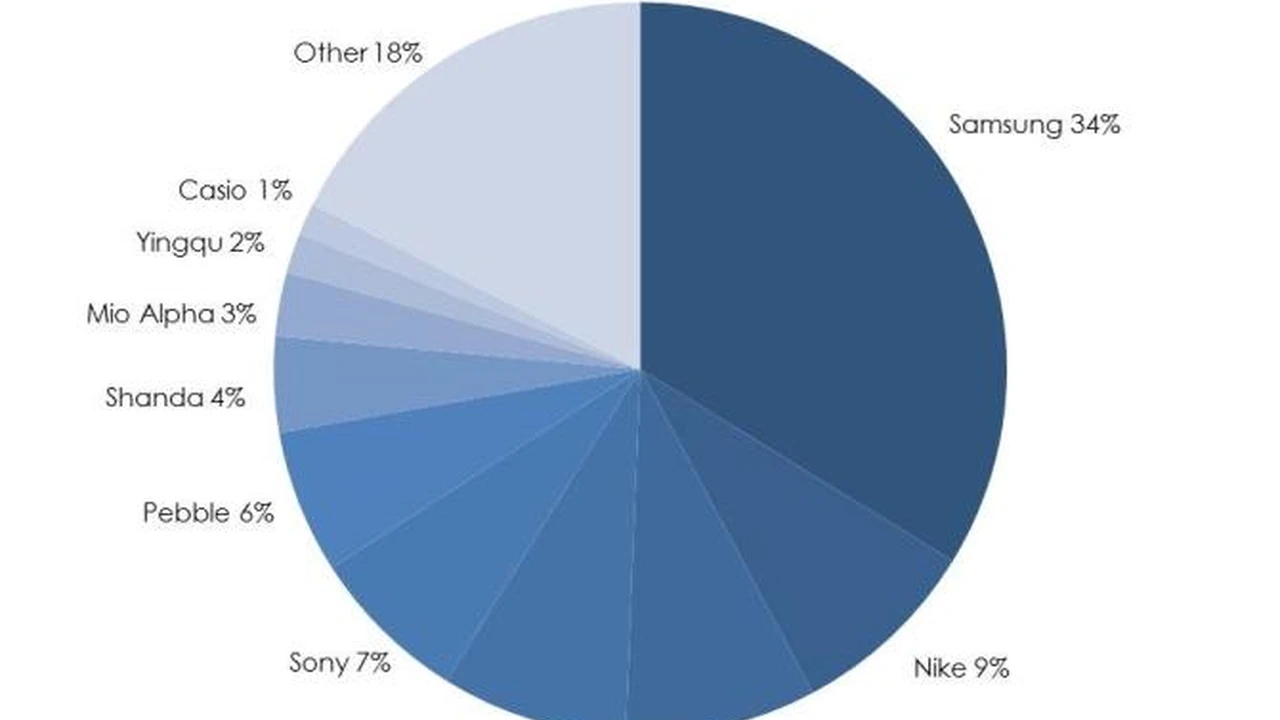
The smartwatch market is dominated by a few major players, but there's also a healthy ecosystem of niche brands catering to specific needs. Let's look at the big names:
Apple The Undisputed Smartwatch Leader
No surprise here. Apple consistently holds the largest share of the global smartwatch market. Their Apple Watch series is incredibly popular, especially among iPhone users, thanks to its seamless integration, robust app ecosystem, and strong focus on health and safety features. Apple's brand loyalty and premium positioning allow them to command higher prices and maintain a dominant position.
The Apple Watch Ultra 2 (starting around $799) is their top-tier offering, designed for extreme sports and adventurers, showcasing Apple's ability to cater to diverse segments while maintaining its premium image. Its advanced GPS, dive computer capabilities, and extended battery life set it apart.
Samsung A Strong Contender in the Android Ecosystem
Samsung is Apple's closest competitor, especially in the Android world. Their Galaxy Watch series offers excellent features, stylish designs, and deep integration with Samsung's ecosystem. They've been aggressive with their pricing and feature sets, making them a very attractive option for Android smartphone users.
The Samsung Galaxy Watch 6 Classic (starting around $399) with its rotating bezel and premium design, appeals to users looking for a more traditional watch feel with advanced smart features. The standard Galaxy Watch 6 (starting around $299) offers a more streamlined design at a slightly lower price point.
Garmin The King of Fitness and Outdoor Smartwatches
While not as dominant in overall market share as Apple or Samsung, Garmin is an absolute powerhouse in the fitness, sports, and outdoor segments. Their smartwatches are renowned for their incredibly accurate GPS, advanced training metrics, long battery life, and rugged durability. Athletes, hikers, and adventurers often swear by Garmin devices.
The Garmin Fenix 7 Pro (starting around $799) is a prime example, offering solar charging, multi-band GPS, and an insane array of sports and outdoor features. For a more everyday fitness watch, the Garmin Forerunner 265 (around $449) provides a vibrant AMOLED display and comprehensive running metrics.
Huawei A Significant Player Despite Challenges
Despite facing geopolitical challenges, Huawei has managed to maintain a significant presence in the smartwatch market, particularly in Asia and Europe. Their smartwatches often boast impressive battery life and sleek designs, offering a compelling alternative to Western brands.
The Huawei Watch GT 4 (around $249) is a recent example, known for its elegant design, long battery life, and comprehensive health tracking features, making it a strong competitor in its price segment.
Fitbit Google's Health-Focused Arm
Now part of Google, Fitbit continues to be a strong player, especially for users prioritizing health and wellness tracking. Their devices are known for their user-friendly interfaces, comprehensive sleep tracking, and community features. While some of their devices lean more towards fitness trackers, their Sense and Versa lines are full-fledged smartwatches.
The Fitbit Versa 4 (around $229) offers a good balance of fitness tracking and smartwatch features, making it a popular choice for everyday health monitoring.
Xiaomi and Amazfit Value for Money Champions
These brands, particularly popular in Asia and emerging markets, offer incredibly feature-rich smartwatches at very competitive price points. They've been instrumental in making smartwatches accessible to a broader audience, focusing on essential features like health tracking, notifications, and long battery life.
The Xiaomi Watch S1 Pro (around $299) offers a premium design and features at a more accessible price, while the Amazfit GTS 4 (around $199) provides a stylish, lightweight option with robust health and fitness tracking.
Strategies of Key Players How They Stay Competitive
In such a dynamic market, companies need smart strategies to thrive. Here's what the big players are doing:
Ecosystem Lock-in and Integration Building Brand Loyalty
Companies like Apple and Samsung leverage their existing smartphone ecosystems. If you own an iPhone, an Apple Watch is often the most logical and seamless choice. The same goes for Samsung and Android users. This 'ecosystem lock-in' creates strong brand loyalty and makes it harder for users to switch to a competitor's smartwatch.
Focus on Health and Wellness Continuous Innovation in Sensors
As mentioned, health is a huge driver. Companies are constantly investing in R&D to develop more accurate sensors and advanced health monitoring features. This includes everything from improved heart rate accuracy to new capabilities like blood pressure monitoring (which is slowly making its way to smartwatches) and even glucose monitoring in the future. This focus on health makes smartwatches indispensable for many users.
Diversification of Product Portfolios Catering to All Segments
Leading brands aren't just making one type of smartwatch. They're diversifying their portfolios to cater to different price points and user needs. Apple has the SE, the standard Series, and the Ultra. Garmin has its Forerunner, Fenix, Venu, and Instinct lines. This strategy allows them to capture a wider range of customers, from budget-conscious buyers to elite athletes.
Design and Customization Appealing to Broader Audiences
Recognizing that smartwatches are also fashion items, companies are putting more emphasis on design, materials, and customization options. This includes offering a variety of case finishes, strap materials (leather, silicone, metal), and a vast library of watch faces. This makes smartwatches more appealing to a broader demographic, including those who prioritize aesthetics.
Battery Life Improvements Addressing a Key User Concern
Battery life has always been a major pain point for smartwatches. Companies are actively working on improving this, whether through more efficient processors, larger batteries, or innovative display technologies (like Mobvoi's dual-layer display). Longer battery life is a significant competitive advantage and a major selling point for many consumers.
Pricing Strategies Value and Premium Offerings
Brands employ various pricing strategies. Apple maintains a premium price point, relying on its brand strength and ecosystem. Samsung offers a range of prices. Xiaomi and Amazfit focus on aggressive pricing to capture market share in the budget and mid-range segments. Understanding the target market's willingness to pay is crucial for success.
The Road Ahead What's Next for Smartwatches
The smartwatch market is far from saturated. We can expect continued innovation in several areas:
- More Advanced Health Monitoring: Expect even more sophisticated health sensors, potentially including non-invasive blood glucose monitoring and more comprehensive vital sign tracking.
- Greater Independence: Smartwatches will become even less reliant on smartphones, with more standalone cellular capabilities and onboard processing power.
- Enhanced AI and Machine Learning: AI will play a bigger role in personalizing health insights, optimizing battery life, and improving user experience.
- Improved Battery Technology: Breakthroughs in battery chemistry and energy efficiency will lead to significantly longer battery lives.
- Integration with AR/VR: While still nascent, smartwatches could become key input devices for augmented and virtual reality experiences.
- Sustainable Practices: More brands will likely focus on using recycled materials and implementing more sustainable manufacturing processes.
The smartwatch market is a fascinating landscape of technological innovation, fierce competition, and evolving consumer demands. The key players are constantly pushing boundaries, and it's exciting to see how these tiny devices will continue to shape our lives, health, and connectivity in the years to come.
:max_bytes(150000):strip_icc()/277019-baked-pork-chops-with-cream-of-mushroom-soup-DDMFS-beauty-4x3-BG-7505-5762b731cf30447d9cbbbbbf387beafa.jpg)