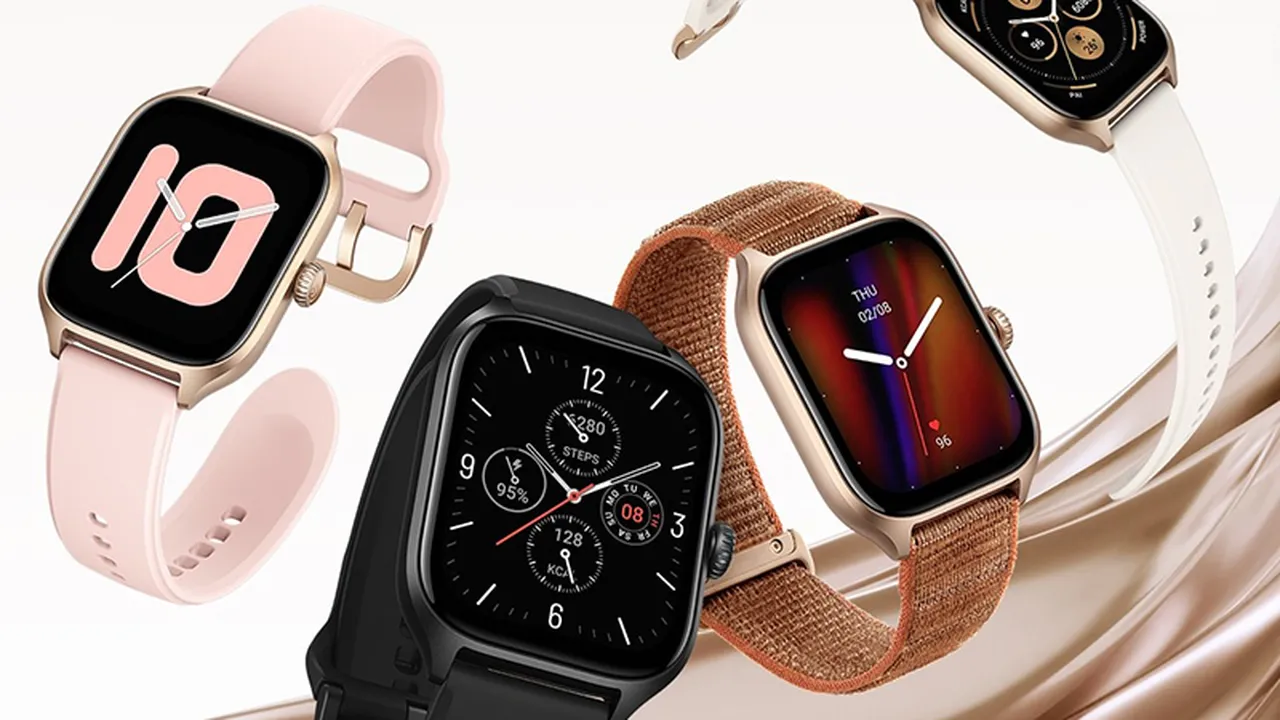
Smartwatch in Healthcare Remote Patient Monitoring
{ "article": [ { "title": "Smartwatch in Healthcare Remote Patient Monitoring", "meta_description": "Discover the transformative role of smartwatches in healthcare, particularly in remote patient monitoring and diagnostics.", "content": "Discover the transformative role of smartwatches in healthcare, particularly in remote patient monitoring and diagnostics.\n\n
\n\n
The Evolution of Smartwatches in Healthcare Technology
\n\nSmartwatches have come a long way from being mere notification devices. Today, they are powerful health companions, increasingly playing a pivotal role in remote patient monitoring (RPM). This isn't just about counting steps anymore; we're talking about sophisticated sensors that can track vital signs, detect anomalies, and even provide early warnings for serious health conditions. The integration of smartwatches into healthcare systems is revolutionizing how we approach patient care, making it more proactive, personalized, and accessible.
\n\nThink about it: for years, healthcare was largely reactive. You'd feel sick, go to the doctor, get diagnosed, and then receive treatment. RPM, powered by devices like smartwatches, flips this model on its head. It enables continuous, real-time data collection from patients outside traditional clinical settings. This means doctors can monitor chronic conditions, track recovery post-surgery, and even manage preventative care without the patient needing to be physically present in a clinic. This shift is particularly impactful for aging populations, individuals in rural areas, and those with chronic diseases who require frequent monitoring.
\n\nKey Smartwatch Features for Remote Patient Monitoring Health Sensors
\n\nWhat makes a smartwatch suitable for RPM? It boils down to its array of advanced health sensors and their ability to collect accurate, actionable data. Here are some of the most crucial features:
\n\nHeart Rate Monitoring and ECG Capabilities
\n\nAlmost all modern smartwatches offer continuous heart rate monitoring. This is fundamental for tracking overall cardiovascular health, identifying unusual patterns, and assessing fitness levels. More advanced smartwatches, however, include an Electrocardiogram (ECG) function. This allows users to take an on-demand ECG reading, which can detect signs of atrial fibrillation (AFib), an irregular heart rhythm that can lead to strokes. This feature has been a game-changer, enabling early detection and intervention for many individuals.
\n\nProduct Spotlight: Apple Watch Series 9
\n- Key Features: ECG app, high and low heart rate notifications, irregular rhythm notifications.
- Use Case: Ideal for individuals concerned about heart health, or those with a family history of cardiovascular issues. The ECG feature provides peace of mind and can prompt early medical consultation.
- Price Range: Starting around $399.
Blood Oxygen SpO2 Tracking
\n\nBlood oxygen saturation (SpO2) levels are a critical indicator of respiratory and circulatory health. Smartwatches equipped with SpO2 sensors can measure the percentage of oxygen being carried by red blood cells from the lungs to the rest of the body. Low SpO2 levels can indicate underlying health issues like sleep apnea or respiratory problems. Continuous SpO2 monitoring can provide valuable insights, especially for individuals with chronic lung conditions or those recovering from respiratory illnesses.
\n\nProduct Spotlight: Samsung Galaxy Watch 6 Classic
\n- Key Features: Advanced SpO2 sensor, continuous heart rate, body composition analysis.
- Use Case: Excellent for monitoring overall wellness, especially for those with respiratory concerns or athletes looking to optimize performance.
- Price Range: Starting around $399.
Sleep Tracking and Analysis
\n\nSleep quality significantly impacts overall health. Smartwatches with advanced sleep tracking can monitor sleep stages (REM, light, deep), duration, and disturbances. Some even track breathing irregularities during sleep, which can be an indicator of conditions like sleep apnea. This data helps users understand their sleep patterns and make lifestyle adjustments for better rest, or prompt them to seek medical advice if significant issues are detected.
\n\nProduct Spotlight: Fitbit Sense 2
\n- Key Features: Detailed sleep stages, sleep score, smart wake, stress management (EDA sensor).
- Use Case: Perfect for individuals looking to improve sleep hygiene, manage stress, and gain deeper insights into their overall well-being.
- Price Range: Starting around $299.
Temperature Sensing and Skin Temperature Monitoring
\n\nWhile not a clinical thermometer, some smartwatches now include skin temperature sensors. These can track subtle changes in body temperature over time, which can be indicative of illness, ovulation cycles, or even stress. This continuous, passive monitoring can provide early signals that might otherwise go unnoticed.
\n\nProduct Spotlight: Garmin Fenix 7 Series
\n- Key Features: Body Battery energy monitoring, advanced sleep tracking, Pulse Ox, and some models offer skin temperature tracking.
- Use Case: Ideal for athletes and outdoor enthusiasts who want comprehensive health and performance metrics, including recovery insights.
- Price Range: Starting around $699.
Fall Detection and Emergency SOS
\n\nFor elderly individuals or those with certain medical conditions, fall detection is a life-saving feature. Smartwatches with this capability can detect a hard fall and, if the user doesn't respond, automatically contact emergency services or pre-selected contacts. This provides immense peace of mind for both users and their families.
\n\nProduct Spotlight: Apple Watch SE (2nd Gen)
\n- Key Features: Fall Detection, Emergency SOS, Crash Detection.
- Use Case: An excellent, more affordable option for seniors or anyone who could benefit from robust safety features.
- Price Range: Starting around $249.
How Smartwatches Facilitate Remote Patient Monitoring Data Flow and Integration
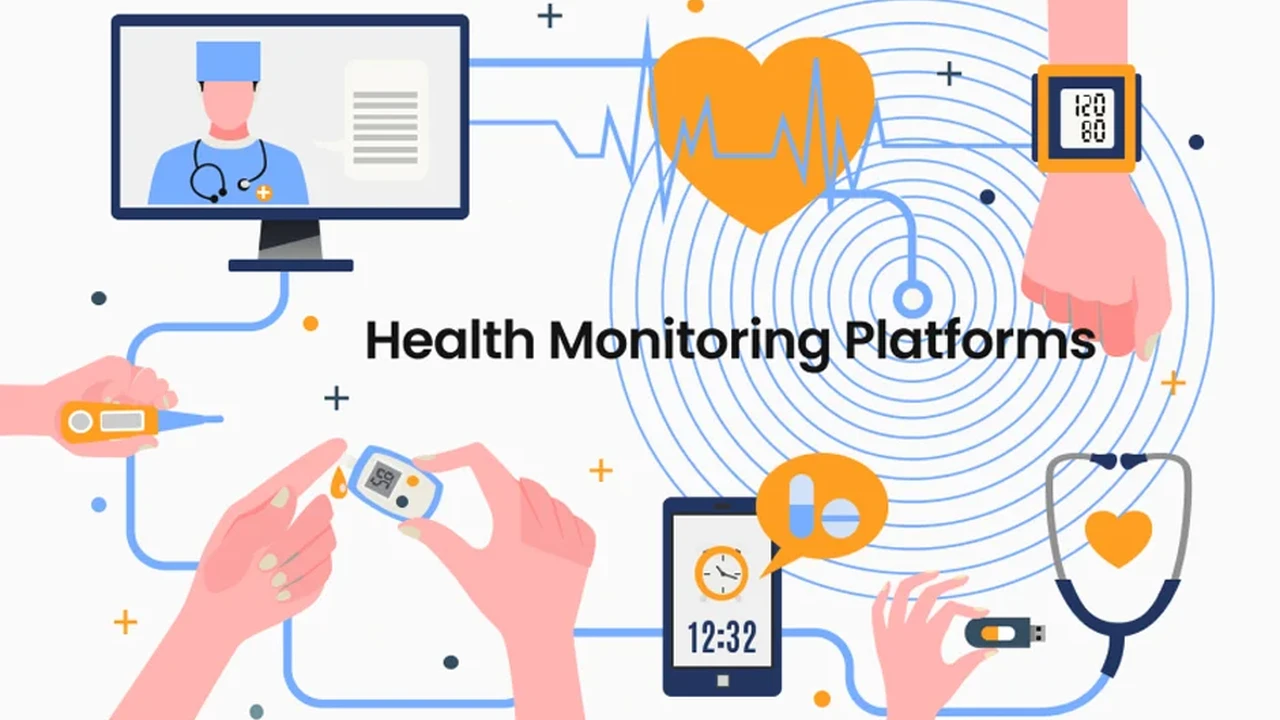
\n\nThe real power of smartwatches in RPM lies in their ability to seamlessly collect and transmit data. This data is typically sent to a secure cloud platform, where it can be accessed by healthcare providers. Here's how the process generally works:
\n\nData Collection and Transmission
\n\nSmartwatches continuously collect health metrics. This data is then transmitted via Bluetooth to a paired smartphone, which then uploads it to a secure cloud server. For smartwatches with LTE connectivity, data can be uploaded directly without a smartphone, offering even greater independence.
\n\nSecure Data Platforms and HIPAA Compliance
\n\nFor RPM to be effective and trustworthy, data security and privacy are paramount. Healthcare providers utilize HIPAA-compliant (Health Insurance Portability and Accountability Act) platforms to store and manage patient data. These platforms ensure that sensitive health information is protected from unauthorized access.
\n\nAlerts and Notifications for Healthcare Providers
\n\nOne of the most critical aspects of RPM is the ability to generate alerts. If a patient's vital signs deviate from a pre-set normal range (e.g., a sudden drop in heart rate or SpO2), the system can automatically notify the healthcare team. This allows for timely intervention, potentially preventing serious health crises.
\n\nPatient Engagement and Self-Management Tools
\n\nSmartwatches also empower patients to take a more active role in managing their own health. By providing easy access to their own health data, trends, and personalized insights, smartwatches encourage adherence to treatment plans, promote healthy behaviors, and foster a sense of ownership over one's well-being.
\n\nReal-World Applications of Smartwatch RPM Chronic Disease Management
\n\nThe applications of smartwatch-based RPM are vast and growing. Here are some key areas where they are making a significant impact:
\n\nDiabetes Management Glucose Monitoring Integration
\n\nWhile smartwatches don't directly measure blood glucose yet, they can integrate with continuous glucose monitors (CGMs). This allows individuals with diabetes to view their glucose levels directly on their wrist, receive alerts for highs or lows, and track trends over time. This integration significantly simplifies diabetes management and can lead to better glycemic control.
\n\nHypertension and Cardiovascular Disease Monitoring
\n\nFor patients with hypertension or other cardiovascular conditions, continuous heart rate and ECG monitoring can be invaluable. Doctors can track the effectiveness of medication, identify potential arrhythmias, and monitor recovery post-cardiac events. This reduces the need for frequent in-person visits and provides a more complete picture of the patient's heart health.
\n\nPost-Operative Recovery and Rehabilitation
\n\nAfter surgery, patients often need careful monitoring to ensure a smooth recovery. Smartwatches can track activity levels, sleep patterns, and vital signs, helping healthcare providers assess recovery progress and identify any complications early. This is particularly useful for orthopedic surgeries or cardiac procedures, where activity levels are crucial for rehabilitation.
\n\nMental Health and Stress Management
\n\nBeyond physical health, smartwatches are also contributing to mental well-being. Features like stress tracking (via heart rate variability), guided breathing exercises, and sleep analysis can help individuals identify stress triggers and develop coping mechanisms. While not a substitute for professional mental health care, they can be valuable tools for self-awareness and early intervention.
\n\nChallenges and Future Directions for Smartwatches in Healthcare Data Accuracy and Regulation
\n\nDespite the immense potential, there are still challenges to address for smartwatches to fully integrate into mainstream healthcare:
\n\nData Accuracy and Clinical Validation
\n\nWhile consumer smartwatches are increasingly accurate, they are not always considered medical-grade devices. For widespread clinical adoption, more rigorous clinical validation and regulatory approvals (like FDA clearance in the US) are needed for specific health features. This ensures that the data collected is reliable enough for diagnostic and treatment decisions.
\n\nInteroperability and Data Standards
\n\nHealthcare systems often use different electronic health record (EHR) platforms. Ensuring seamless interoperability between smartwatch data, RPM platforms, and EHRs is crucial for efficient data flow and comprehensive patient records. Standardized data formats will be key to achieving this.
\n\nPrivacy and Security Concerns
\n\nAs more sensitive health data is collected and transmitted, maintaining robust privacy and security protocols becomes even more critical. Patients need assurance that their data is protected from breaches and used ethically.
\n\nUser Adherence and Digital Literacy
\n\nFor RPM to be effective, patients need to consistently wear their smartwatches and understand how to use them. Addressing issues of user adherence, particularly among older populations, and improving digital literacy are important considerations.
\n\nThe Future of Smartwatch Healthcare Integration
\n\nLooking ahead, we can expect smartwatches to become even more sophisticated. Imagine smartwatches with non-invasive blood glucose monitoring, continuous blood pressure tracking, or even early cancer detection capabilities. The integration of AI and machine learning will further enhance their ability to analyze data, predict health risks, and provide personalized health coaching. As regulatory frameworks evolve and technology advances, smartwatches are poised to become indispensable tools in the future of healthcare, shifting the paradigm towards preventative, personalized, and accessible care for everyone.
\n" } ] }:max_bytes(150000):strip_icc()/277019-baked-pork-chops-with-cream-of-mushroom-soup-DDMFS-beauty-4x3-BG-7505-5762b731cf30447d9cbbbbbf387beafa.jpg)