Smartwatch for Seniors Essential Health and Safety Features
Find the best smartwatches for seniors focusing on essential health monitoring, fall detection, and ease of use.
Find the best smartwatches for seniors focusing on essential health monitoring, fall detection, and ease of use. Choosing the right smartwatch for an older adult can be a game-changer, offering peace of mind for both them and their loved ones. It's not just about telling time anymore; these devices are packed with features designed to enhance safety, monitor health, and keep seniors connected. Let's dive deep into what makes a smartwatch ideal for seniors, explore some top contenders, and help you make an informed decision.
Smartwatch for Seniors Essential Health and Safety Features
Why Smartwatches Are a Must-Have for Senior Health Monitoring
Smartwatches have evolved significantly, moving beyond just fitness tracking to become powerful health companions. For seniors, this means access to vital health data right from their wrist. We're talking about continuous heart rate monitoring, which can detect irregularities that might otherwise go unnoticed. Many models now include ECG capabilities, allowing users to take an electrocardiogram on demand, providing crucial data for their doctors. Blood oxygen (SpO2) tracking is another increasingly common feature, offering insights into respiratory health, especially important for those with conditions like COPD or sleep apnea. Some advanced smartwatches even offer blood pressure monitoring, though it's always wise to cross-reference with a medical-grade device.
Beyond these specific metrics, smartwatches can track sleep patterns, providing a holistic view of sleep quality and duration. This data can be invaluable for identifying potential sleep disorders or simply optimizing daily routines for better rest. The convenience of having these health insights readily available can empower seniors to take a more active role in managing their well-being and facilitate more informed discussions with their healthcare providers.
Crucial Safety Features for Senior Smartwatches Fall Detection and SOS
Perhaps the most compelling reason for a senior to wear a smartwatch is the array of safety features. Fall detection is a standout. Imagine a scenario where an elderly loved one takes a tumble and is unable to call for help. A smartwatch with robust fall detection can automatically sense a hard fall and, if the user doesn't respond within a set time, initiate a call to emergency services or pre-selected contacts. This feature alone can be life-saving, providing an immediate response in critical situations.
Another essential safety net is the SOS button. This allows the wearer to manually trigger an alert to emergency contacts or services with a simple press of a button. This is particularly useful in situations where a fall hasn't occurred but the senior feels unwell, disoriented, or is in distress. Many smartwatches also incorporate GPS tracking, which is invaluable for locating a senior who might wander or get lost. This feature offers immense peace of mind for family members, knowing they can pinpoint their loved one's location if needed. Some devices even allow for geofencing, sending alerts if the wearer leaves a predefined safe zone.
Ease of Use and Accessibility Key Considerations for Senior Smartwatches
When selecting a smartwatch for a senior, usability is paramount. A complex interface with tiny icons and intricate menus can be frustrating and counterproductive. Look for devices with large, clear displays that are easy to read, even in varying light conditions. Touchscreens should be responsive but not overly sensitive, preventing accidental presses. Physical buttons, especially for critical functions like SOS, can be a huge advantage, offering tactile feedback and ease of operation for those with dexterity issues.
Voice control can also be a game-changer, allowing seniors to interact with their watch using simple commands, which is great for those with visual impairments or difficulty with fine motor skills. The companion app, used by family members or caregivers, should also be intuitive and easy to navigate, providing clear access to health data, location tracking, and notification settings. Simplicity in setup and daily operation will ensure the smartwatch is actually used and appreciated.
Connectivity Options for Senior Smartwatches LTE vs Bluetooth
Understanding connectivity is crucial. Most smartwatches connect to a smartphone via Bluetooth, meaning the phone needs to be nearby for the watch to receive calls, messages, and data. However, for seniors, especially those who might not always carry their phone or who live independently, an LTE-enabled smartwatch is a superior choice. An LTE smartwatch has its own cellular connection, allowing it to make calls, send messages, and access emergency services even when the paired smartphone isn't present. This independence is vital for safety features like fall detection and SOS calls to function reliably outside the home.
While LTE models typically come with an additional monthly service fee, the peace of mind and enhanced safety they offer often outweigh the cost. For seniors who are less mobile or primarily stay at home, a Bluetooth-only model might suffice, but for active seniors or those at higher risk of falls, LTE is highly recommended. Consider the senior's lifestyle and needs when making this decision.
Top Smartwatch Recommendations for Seniors Features and Pricing
Let's look at some specific smartwatches that stand out for their senior-friendly features:
Apple Watch Series 9 The Premium Choice for iPhone Users
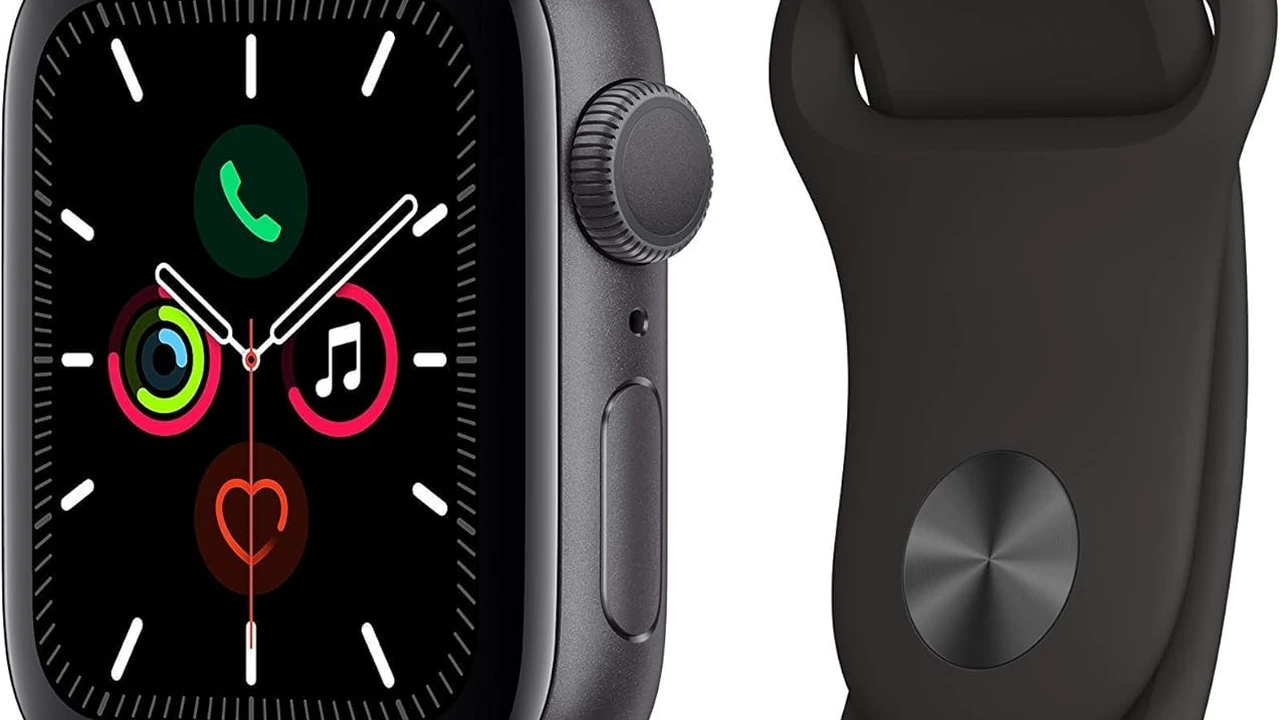
If the senior in question is an iPhone user, the Apple Watch Series 9 (or even the more affordable SE model) is an excellent choice. It boasts robust health monitoring, including ECG, blood oxygen, and advanced heart rate tracking. Its fall detection is highly regarded and has been credited with saving lives. The SOS feature is easily accessible, and the cellular (LTE) version provides complete independence from the iPhone for calls and emergency services. The display is bright and clear, and watch faces can be customized for larger text and simpler layouts. Apple's ecosystem is generally user-friendly, and family members can easily set up and monitor the watch through Family Setup if the senior doesn't have their own iPhone.
* **Key Features:** ECG, Blood Oxygen, Advanced Heart Rate, Fall Detection, SOS, GPS, Water Resistance, Large Display, Optional Cellular.
* **Ideal User:** iPhone users seeking comprehensive health and safety features with a premium experience.
* **Approximate Price (GPS + Cellular):** $429 - $499 (Series 9), $299 - $349 (SE 2nd Gen).
* **Pros:** Excellent fall detection, reliable SOS, comprehensive health tracking, user-friendly interface, strong ecosystem.
* **Cons:** Higher price point, requires an iPhone for initial setup (though Family Setup allows independent use), battery life is typically 18 hours.
Samsung Galaxy Watch 6 Classic A Strong Contender for Android Users
For seniors who use Android phones, the Samsung Galaxy Watch 6 Classic (or the standard Galaxy Watch 6) is a fantastic option. It offers similar health tracking capabilities to the Apple Watch, including ECG, blood pressure monitoring (requires calibration with a cuff), and SpO2. Samsung's fall detection and SOS features are also well-implemented. The rotating bezel on the Classic model makes navigation incredibly intuitive, which can be a big plus for seniors. The display is vibrant and easy to read. Like Apple, Samsung offers a cellular version for standalone connectivity.
* **Key Features:** ECG, Blood Pressure (calibrated), Blood Oxygen, Heart Rate, Fall Detection, SOS, GPS, Rotating Bezel (Classic), Optional Cellular.
* **Ideal User:** Android phone users looking for advanced health and safety features with an intuitive interface.
* **Approximate Price (Bluetooth + LTE):** $399 - $479 (Galaxy Watch 6 Classic), $359 - $419 (Galaxy Watch 6).
* **Pros:** Intuitive rotating bezel, comprehensive health tracking, good fall detection, seamless Android integration.
* **Cons:** Blood pressure monitoring requires regular calibration, battery life can be inconsistent with heavy use.
Garmin Venu 3 Focus on Health and Fitness with Robust Tracking
Garmin is renowned for its fitness tracking, but devices like the Venu 3 also offer excellent health monitoring features that are beneficial for seniors. It tracks heart rate, SpO2, sleep, and even stress levels. While it doesn't have ECG, its focus on detailed health metrics and long battery life (up to 14 days in smartwatch mode) makes it a compelling choice. It has incident detection (similar to fall detection) and an assistance feature that can send your location to emergency contacts. The interface is clear, and the Garmin Connect app provides a wealth of data that can be shared with family or caregivers.
* **Key Features:** Advanced Heart Rate, SpO2, Sleep Tracking, Stress Tracking, Incident Detection, Assistance, GPS, Long Battery Life.
* **Ideal User:** Seniors who prioritize detailed health and fitness tracking with excellent battery life, and who might be more active.
* **Approximate Price:** $449 - $499.
* **Pros:** Exceptional battery life, detailed health insights, reliable incident detection, durable build.
* **Cons:** No ECG or blood pressure monitoring, less focus on direct communication features compared to Apple/Samsung.
Fitbit Sense 2 Health-Focused and User-Friendly
Fitbit has always been strong in health and wellness, and the Sense 2 continues this tradition. It offers ECG, continuous heart rate monitoring, SpO2, and even a cEDA sensor for all-day stress management. While it doesn't have built-in cellular, it can receive calls and texts when connected to a smartphone. Its interface is straightforward, and the Fitbit app is very user-friendly, making it easy for seniors to track their progress and for family members to monitor their well-being. The focus here is heavily on holistic health insights.
* **Key Features:** ECG, Heart Rate, SpO2, Stress Management (cEDA), Sleep Tracking, GPS, User-Friendly App.
* **Ideal User:** Seniors primarily interested in comprehensive health monitoring and a simple, intuitive experience.
* **Approximate Price:** $299 - $329.
* **Pros:** Excellent health tracking, easy to use, comfortable design, good battery life (up to 6 days).
* **Cons:** No cellular connectivity (requires phone nearby for calls/texts), fall detection is not as robust as Apple/Samsung.
Medical Alert Smartwatches Specialized for Senior Safety
Beyond mainstream smartwatches, there are devices specifically designed as medical alert systems with smartwatch functionalities. Brands like Lively (Jitterbug Smartwatch) or Bay Alarm Medical offer watches with dedicated emergency buttons, 24/7 monitoring services, and often simpler interfaces. These are ideal for seniors who prioritize immediate access to professional help and might find traditional smartwatches too complex.
* **Key Features:** Dedicated SOS button, 24/7 professional monitoring, GPS tracking, often simpler health tracking.
* **Ideal User:** Seniors who need a primary medical alert device with basic smartwatch features and professional monitoring.
* **Approximate Price:** Varies, often involves a device purchase ($100-$200) plus a monthly monitoring fee ($20-$40).
* **Pros:** Direct access to professional help, very simple to use, high focus on safety.
* **Cons:** Limited smartwatch features, ongoing monthly fees, less advanced health tracking compared to mainstream smartwatches.
Making the Right Choice for Your Senior Loved One
When making your decision, consider the senior's tech savviness. Are they comfortable with smartphones? Do they prefer simplicity? Think about their health needs. Are they at risk of falls? Do they have a heart condition that requires monitoring? And finally, consider their lifestyle. Are they active and often out of the house, or do they spend most of their time at home?
For iPhone users, the Apple Watch is hard to beat for its comprehensive features and reliable safety. Android users will find the Samsung Galaxy Watch a strong equivalent. If detailed health data and long battery life are priorities over direct communication from the watch, Garmin and Fitbit offer excellent options. And for those who need a dedicated medical alert system with a watch form factor, specialized senior smartwatches are the way to go.
Ultimately, the best smartwatch for a senior is one they will actually wear and use consistently. Involve them in the decision-making process if possible, and ensure they understand how to use its key features. A smartwatch can truly be a valuable tool for enhancing their independence, safety, and overall well-being.
:max_bytes(150000):strip_icc()/277019-baked-pork-chops-with-cream-of-mushroom-soup-DDMFS-beauty-4x3-BG-7505-5762b731cf30447d9cbbbbbf387beafa.jpg)