Withings ScanWatch vs Fitbit Sense Health Focused Smartwatches
Compare Withings ScanWatch and Fitbit Sense for advanced health monitoring. Which smartwatch offers better insights for your well-being?
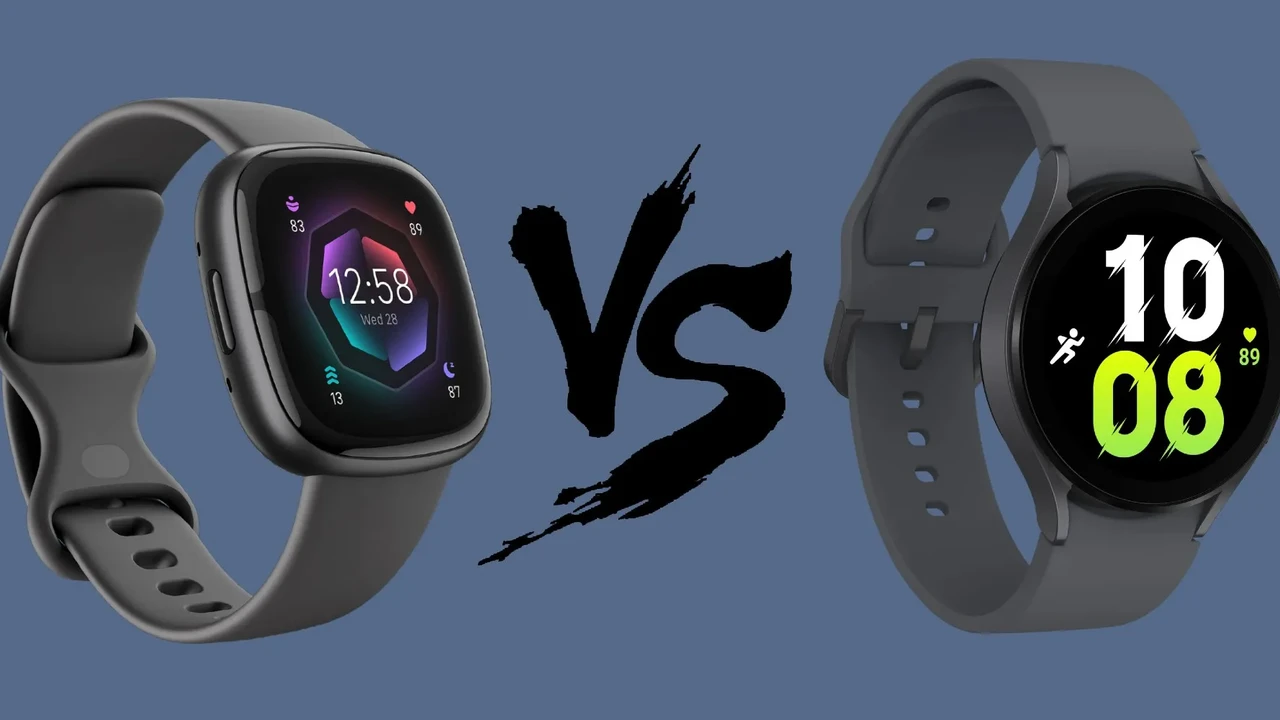
Compare Withings ScanWatch and Fitbit Sense for advanced health monitoring. Which smartwatch offers better insights for your well-being?
Withings ScanWatch vs Fitbit Sense Health Focused Smartwatches
Introduction to Health Smartwatches The Rise of Wearable Health Tech
Hey there, health enthusiasts! If you're anything like me, you're constantly looking for ways to stay on top of your well-being. And in today's tech-driven world, smartwatches have become incredibly powerful tools for just that. We're not just talking about step counting anymore; these devices are now capable of monitoring vital signs, detecting potential health issues, and providing actionable insights into your overall health. Today, we're diving deep into a head-to-head battle between two of the most prominent health-focused smartwatches on the market: the Withings ScanWatch and the Fitbit Sense. Both promise advanced health monitoring, but which one truly delivers better insights for your well-being? Let's break it down.
Design and Aesthetics ScanWatch's Classic Look vs Sense's Modern Appeal
First impressions matter, right? When you look at the Withings ScanWatch, you immediately notice its classic, analog watch design. It’s got real hands, a traditional watch face, and a small PMOLED screen embedded within. This hybrid approach makes it look like a regular, stylish timepiece, which is a huge plus for those who prefer a more discreet and elegant look. It comes in various sizes (38mm and 42mm) and colors, with options for stainless steel cases and sapphire glass, making it quite durable and premium-feeling. It’s the kind of watch you can wear to a formal event without anyone realizing it’s packed with advanced health tech.
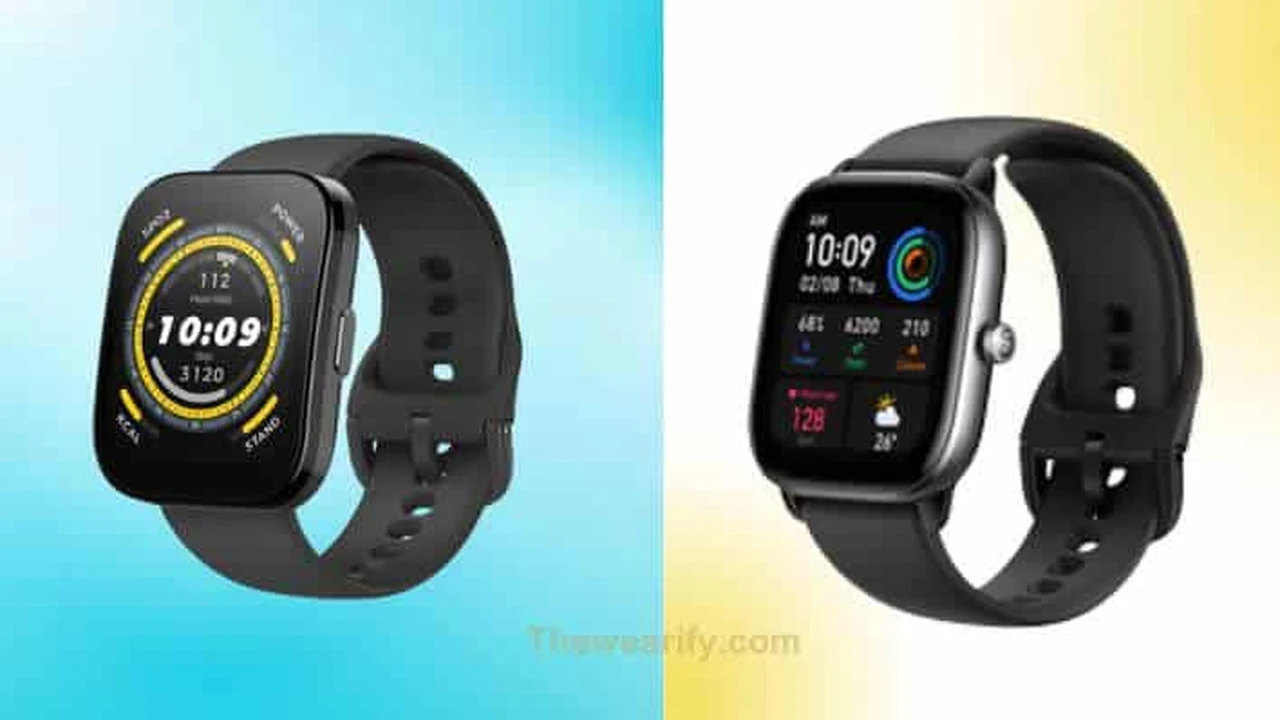
On the other hand, the Fitbit Sense embraces a more modern, digital smartwatch aesthetic. It features a vibrant, square-ish AMOLED display with rounded corners, giving it a sleek and contemporary feel. It’s lightweight and comfortable, designed for all-day wear, including during workouts and sleep. While it might not blend in as seamlessly with formal attire as the ScanWatch, its bright, customizable screen and intuitive touch interface make it highly functional and user-friendly. It’s available in a few color options, typically with an aluminum case and Gorilla Glass 3 for screen protection. So, if you’re into a more traditional watch look, ScanWatch wins. If you prefer a modern, digital display, Sense is your go-to.
Core Health Monitoring Features ECG SpO2 and Beyond
Withings ScanWatch Health Tracking Capabilities
The Withings ScanWatch is a powerhouse when it comes to health monitoring, and it’s often lauded for its medical-grade accuracy. Its standout features include:
- Electrocardiogram (ECG): This is a big one. The ScanWatch can take on-demand ECG readings to detect signs of atrial fibrillation (AFib), a serious heart rhythm disorder. This feature is FDA-cleared and CE-marked, giving it a significant level of credibility. You simply place your fingers on the watch bezel for 30 seconds, and it records your heart's electrical signals.
- Oxygen Saturation (SpO2): It continuously monitors your blood oxygen levels, which can be crucial for detecting conditions like sleep apnea. It takes measurements throughout the night, providing a comprehensive view of your respiratory health.
- Heart Rate Tracking: It offers continuous heart rate monitoring, tracking your resting heart rate, average heart rate, and heart rate during workouts.
- Sleep Tracking: Beyond just tracking sleep stages (light, deep, REM), the ScanWatch also incorporates its SpO2 and heart rate data to provide a sleep disturbance score, helping identify potential breathing issues during sleep.
- Activity Tracking: Standard activity tracking like steps, distance, calories burned, and automatic recognition of over 30 activities.
- Altimeter: Tracks elevation changes, useful for hikers and those who climb stairs regularly.
Fitbit Sense Health Tracking Capabilities
The Fitbit Sense is also packed with advanced health sensors, focusing on a holistic view of your well-being, including mental health. Its key features include:
- Electrocardiogram (ECG): Similar to the ScanWatch, the Sense can take on-demand ECG readings to assess for signs of AFib. It’s also FDA-cleared and CE-marked.
- Electrodermal Activity (EDA) Sensor: This is unique to the Sense. The EDA sensor measures small electrical changes in your skin, which can indicate your body's response to stress. It provides a daily stress management score and guided mindfulness sessions to help you cope.
- Skin Temperature Sensor: The Sense tracks your skin temperature variations throughout the night, which can be an early indicator of illness, fever, or even menstrual cycle phases.
- Oxygen Saturation (SpO2): It monitors your blood oxygen levels, primarily during sleep, to provide insights into your respiratory health.
- Heart Rate Tracking: Features Fitbit's PurePulse 2.0 technology for continuous heart rate monitoring, including high and low heart rate alerts, and heart rate variability (HRV).
- Sleep Tracking: Comprehensive sleep tracking with sleep stages, sleep score, and smart wake alarms.
- Activity Tracking: Tracks steps, distance, calories, active zone minutes, and offers over 20 goal-based exercise modes with SmartTrack automatic exercise recognition.
- Built-in GPS: For tracking pace and distance during outdoor runs, rides, and hikes without needing your phone.
User Experience and App Integration Navigating Your Health Data
Withings Health Mate App A Clean and Insightful Interface
The Withings ScanWatch pairs with the Health Mate app, which is known for its clean, intuitive interface and comprehensive data presentation. All your health metrics – heart rate, sleep, activity, ECG, SpO2 – are neatly organized and easy to understand. The app provides trends over time, helping you identify patterns and make informed decisions about your health. It also offers personalized coaching and insights based on your data. For instance, if it detects potential sleep apnea, it will prompt you to consult a doctor. The app integrates with Apple Health and Google Fit, allowing for broader data sharing. One of the strengths of Withings is its ecosystem; all Withings devices (scales, blood pressure monitors) feed into the same app, creating a holistic health dashboard.
Fitbit App A Comprehensive Wellness Hub
The Fitbit Sense uses the well-established Fitbit app, which is a comprehensive wellness hub. It’s incredibly user-friendly and provides a wealth of data, from activity and sleep to stress and skin temperature. The app offers detailed graphs, trends, and personalized insights. A significant part of the Fitbit experience is Fitbit Premium (a subscription service), which unlocks even deeper insights, guided programs, advanced sleep tools, and mindfulness content. Without Premium, some of the more advanced insights are limited. The app also has a strong community aspect, allowing you to connect with friends, participate in challenges, and share your progress. Fitbit also integrates with various third-party apps and services.
Battery Life and Charging Keeping Your Health Monitor Powered
Battery life is a critical factor for any wearable, especially one you rely on for continuous health monitoring. The Withings ScanWatch truly shines here. It boasts an impressive battery life of up to 30 days on a single charge, plus an additional 20 days in power reserve mode (which only tracks steps and sleep). This means you can wear it for weeks without worrying about charging, making it ideal for continuous monitoring, especially for sleep and overnight SpO2. Charging is done via a magnetic charging cradle.
The Fitbit Sense, being a full-fledged smartwatch with a vibrant display, has a more typical smartwatch battery life. It generally lasts around 6+ days on a single charge, depending on usage (e.g., frequent GPS use or always-on display will reduce it). While 6 days is still decent compared to many smartwatches that require daily charging, it’s nowhere near the ScanWatch’s longevity. The Sense uses a magnetic charging cable that snaps onto the back of the watch.
Price and Value Proposition Investing in Your Health
Withings ScanWatch Pricing and Value
The Withings ScanWatch typically retails for around $299.95 USD for the 38mm version and $349.95 USD for the 42mm version. Given its medical-grade health features (FDA-cleared ECG and SpO2) and exceptional battery life, it offers significant value, especially for those prioritizing accurate health data and a classic watch aesthetic. There are no ongoing subscription fees required to access its core health features, which is a big plus.
Fitbit Sense Pricing and Value
The Fitbit Sense usually retails for around $249.95 USD. It’s generally a bit more affordable upfront than the ScanWatch. However, to unlock the full potential of the Sense, particularly the deeper insights into stress management, advanced sleep analysis, and personalized guidance, a Fitbit Premium subscription is highly recommended. This costs $9.99 USD per month or $79.99 USD per year. So, while the initial cost is lower, the long-term cost can be higher if you opt for Premium.
Specific Use Cases Who Benefits Most From Each Smartwatch
Withings ScanWatch Ideal Users and Scenarios
The Withings ScanWatch is perfect for:
- Individuals concerned about heart health: Its FDA-cleared ECG and continuous heart rate monitoring make it excellent for those with a family history of heart conditions or who want to proactively monitor for AFib.
- People with sleep concerns: The SpO2 monitoring and detailed sleep disturbance score are invaluable for identifying potential sleep apnea or other breathing irregularities during sleep.
- Those who prefer a traditional watch look: If you want advanced health tech without the overt digital smartwatch appearance, the ScanWatch is ideal.
- Users who value long battery life: Its month-long battery life means less charging hassle and more continuous data collection.
- Anyone building a Withings ecosystem: If you already use Withings scales or blood pressure monitors, the ScanWatch seamlessly integrates into the Health Mate app for a unified health overview.
Example Scenario: Sarah, 55, has a family history of heart issues. She wants a discreet way to monitor her heart rhythm and sleep quality without wearing a bulky smartwatch. The Withings ScanWatch allows her to take on-demand ECGs and track her SpO2 overnight, giving her peace of mind and data to share with her doctor, all while looking like a stylish analog watch.
Fitbit Sense Ideal Users and Scenarios
The Fitbit Sense is best suited for:
- Individuals focused on holistic wellness, including stress management: The unique EDA sensor and stress management tools are a major draw for those looking to understand and reduce their stress levels.
- Fitness enthusiasts who want detailed workout tracking: With built-in GPS, Active Zone Minutes, and a wide array of exercise modes, it’s a strong fitness companion.
- Users who appreciate a vibrant, interactive display: The AMOLED screen and touch interface offer a more traditional smartwatch experience with easy access to apps and notifications.
- Those interested in skin temperature tracking: Useful for early illness detection or tracking menstrual cycles.
- People who enjoy a strong community and gamified fitness: The Fitbit app's social features and challenges can be highly motivating.
Example Scenario: Mark, 30, is an active professional who often feels stressed. He wants a smartwatch that can help him track his workouts, monitor his sleep, and provide insights into his stress levels. The Fitbit Sense, with its EDA sensor and guided mindfulness sessions, helps him identify stress triggers and incorporate relaxation techniques into his daily routine, alongside tracking his runs with built-in GPS.
Product Recommendations and Pricing Overview
Withings ScanWatch Models and Pricing
- Withings ScanWatch 38mm:
- Price: ~$299.95 USD
- Key Features: ECG, SpO2, Heart Rate, Sleep Tracking, 30-day battery, Sapphire Glass, Stainless Steel Case.
- Best For: Smaller wrists, those prioritizing a more compact and discreet look.
- Typical Usage: Daily wear, continuous health monitoring, formal occasions.
- Withings ScanWatch 42mm:
- Price: ~$349.95 USD
- Key Features: Same as 38mm, larger display for easier reading.
- Best For: Larger wrists, users who prefer a more prominent watch face.
- Typical Usage: Daily wear, continuous health monitoring, formal occasions.
Fitbit Sense Models and Pricing
- Fitbit Sense (Original Model):
- Price: ~$249.95 USD (often on sale for less)
- Key Features: ECG, EDA Sensor, Skin Temperature, SpO2, Heart Rate, Sleep Tracking, Built-in GPS, 6+ day battery.
- Best For: Holistic wellness, stress management, active users, those who prefer a digital display.
- Typical Usage: Daily wear, workouts, sleep tracking, smart notifications.
- Fitbit Sense 2 (Newer Model):
- Price: ~$299.95 USD
- Key Features: Improved design, continuous cEDA (continuous electrodermal activity) sensor for all-day stress tracking, Google Maps & Wallet integration (coming soon), still has ECG, SpO2, Heart Rate, Sleep Tracking, Built-in GPS. Note: Sense 2 removed third-party app support and Wi-Fi, which was a controversial move for some users.
- Best For: Users prioritizing continuous stress monitoring and a streamlined Fitbit experience.
- Typical Usage: Daily wear, continuous health monitoring, fitness tracking.
The Verdict Which Health Smartwatch is Right for You
So, which one should you choose? It really boils down to your priorities. If your primary concern is medical-grade heart health monitoring (AFib detection) and precise sleep apnea screening, combined with an incredibly long battery life and a classic watch aesthetic, the Withings ScanWatch is likely your best bet. It’s a serious health tool disguised as an elegant timepiece, and the lack of a subscription fee for core features is a huge advantage.
However, if you're looking for a more holistic wellness companion that includes unique stress management tools (EDA sensor), skin temperature tracking, a vibrant digital display, and robust fitness tracking with built-in GPS, the Fitbit Sense (either the original or Sense 2) is an excellent choice. Just be aware that to get the most out of it, you might want to factor in the cost of a Fitbit Premium subscription. It’s more of a full-featured smartwatch that also excels in health monitoring.
Ultimately, both are fantastic devices that push the boundaries of wearable health technology. Consider what aspects of your health you want to prioritize, your preferred design, and your budget (including potential subscription costs) to make the best decision for your well-being. Happy tracking!
:max_bytes(150000):strip_icc()/277019-baked-pork-chops-with-cream-of-mushroom-soup-DDMFS-beauty-4x3-BG-7505-5762b731cf30447d9cbbbbbf387beafa.jpg)