A head-to-head comparison of Oppo Watch and OnePlus Watch. Discover their strengths and weaknesses in the Android smartwatch market.
A head-to-head comparison of Oppo Watch and OnePlus Watch. Discover their strengths and weaknesses in the Android smartwatch market.
Oppo Watch vs OnePlus Watch Feature Comparison
Introduction to Android Smartwatches Oppo and OnePlus
Hey there, tech enthusiasts! If you're an Android user looking for a new smartwatch, you've probably noticed the market is packed with options. Among the many contenders, the Oppo Watch and the OnePlus Watch have carved out their own niches. Both brands are well-known in the smartphone world for offering great value and innovative features, and they've brought that same philosophy to their wearables. But when it comes down to it, which one is the better fit for your wrist and your lifestyle? Let's dive deep into a comprehensive comparison to help you make an informed decision.
We're going to break down everything from design and display to fitness tracking, battery life, and smart features. We'll also look at their pricing and target audiences to see which device truly offers the best bang for your buck. So, whether you're a fitness fanatic, a busy professional, or just someone who wants a stylish gadget, stick around as we pit the Oppo Watch against the OnePlus Watch.
Design and Display Aesthetics and Usability
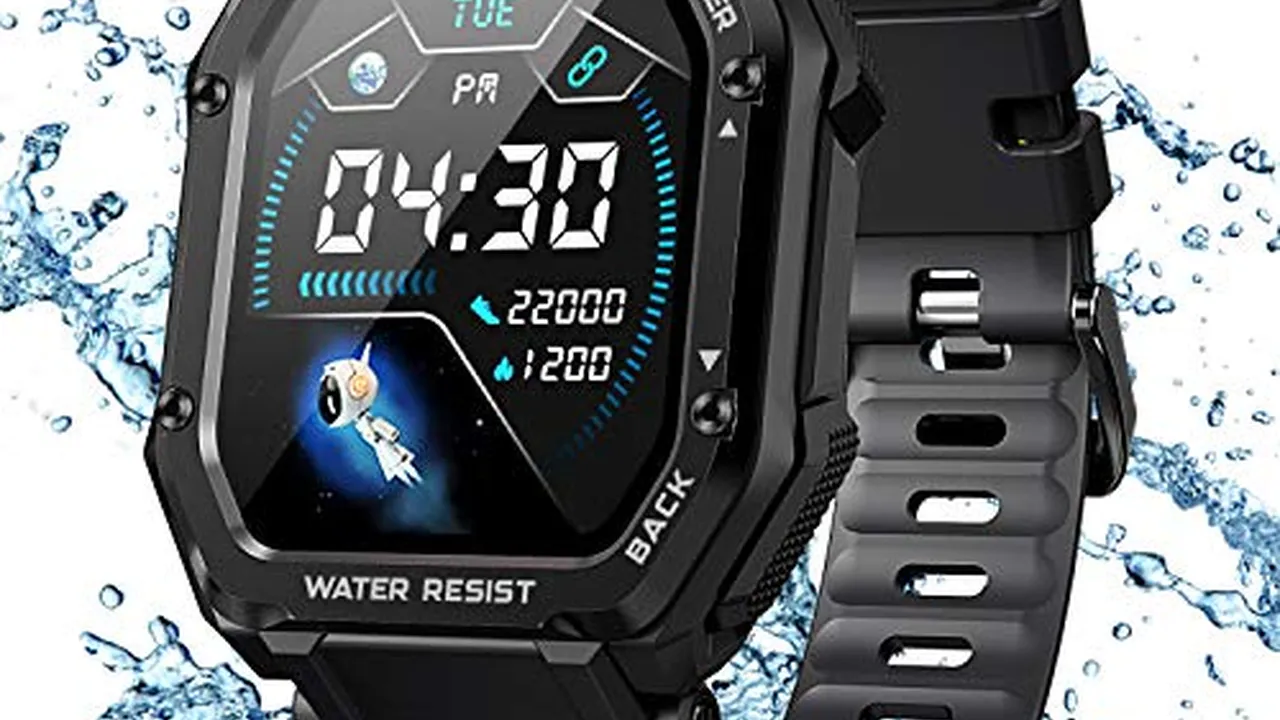
First impressions matter, right? Both the Oppo Watch and the OnePlus Watch have distinct design philosophies. The Oppo Watch, especially the larger 46mm version, takes a page from the Apple Watch playbook with its rectangular, curved AMOLED display. It's sleek, modern, and feels premium on the wrist. The curved screen not only looks fantastic but also makes swiping gestures incredibly smooth. It comes in a few color options, typically black and glossy gold, giving it a sophisticated vibe. The build quality is solid, often featuring an aluminum alloy frame and a ceramic/polycarbonate back.
On the other hand, the OnePlus Watch opts for a more traditional circular design, which many prefer for a classic watch look. It boasts a 1.39-inch AMOLED display, which is vibrant and bright. The casing is made of stainless steel, giving it a robust and durable feel. It's available in Midnight Black and Moonlight Silver, both exuding a minimalist yet elegant aesthetic. While the circular design might be more conventional, it certainly doesn't lack in premium feel.
When it comes to the display itself, both watches feature AMOLED panels, meaning you get deep blacks, vibrant colors, and excellent contrast. The Oppo Watch's curved display might offer a slightly more immersive visual experience, especially with its higher pixel density on the 46mm model (326 PPI vs. OnePlus Watch's 326 PPI). However, the OnePlus Watch's display is perfectly crisp and clear for everyday use. Both offer good brightness for outdoor visibility, though the Oppo Watch might have a slight edge in peak brightness.
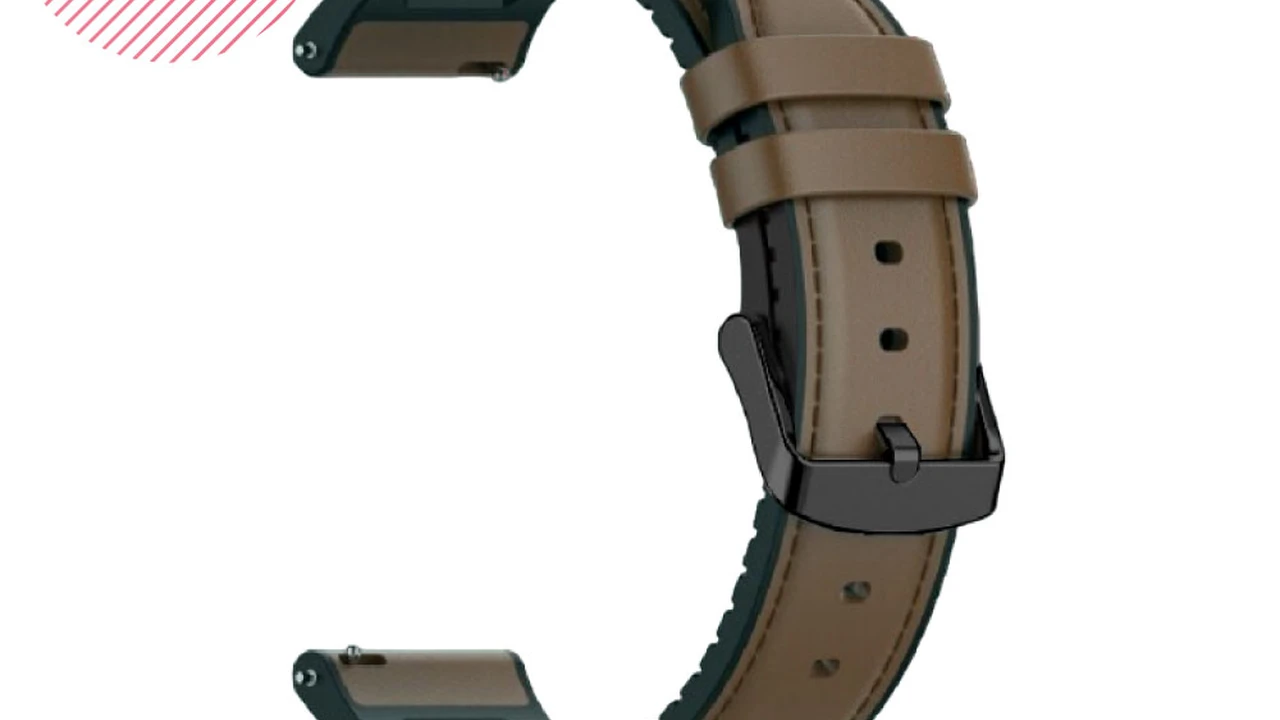
In terms of comfort, both watches are relatively lightweight and come with comfortable silicone straps. The Oppo Watch's strap mechanism is proprietary, which limits third-party options, while the OnePlus Watch uses standard 22mm straps, offering more customization. Ultimately, the choice between rectangular and circular comes down to personal preference, but both offer high-quality displays and comfortable wear.
Performance and Software Experience Wear OS vs RTOS
This is where things get really interesting and where the two watches diverge significantly. The Oppo Watch runs on Google's Wear OS (now Wear OS by Google), while the OnePlus Watch uses a custom real-time operating system (RTOS).
Oppo Watch Wear OS Ecosystem and Apps
The Oppo Watch, running Wear OS, benefits from the vast ecosystem of Google services and third-party apps available on the Google Play Store. This means you get Google Assistant, Google Maps, Google Pay, and a plethora of apps for fitness, productivity, and entertainment. The performance is generally smooth, powered by the Snapdragon Wear 3100 (or 4100 in some newer variants). While Wear OS has had its ups and downs, it offers a full-fledged smartwatch experience with deep integration into the Android ecosystem. You can reply to messages, control smart home devices, and even make calls directly from your wrist (on LTE models). The user interface is intuitive, with swipe gestures for notifications, quick settings, and Google Assistant.
OnePlus Watch Custom RTOS Simplicity and Efficiency
The OnePlus Watch, on the other hand, uses a custom RTOS. This choice has significant implications. While it means you don't get the vast app ecosystem of Wear OS, it allows for much better battery life and a simpler, more streamlined user experience. The RTOS is designed for efficiency, focusing on core smartwatch functionalities like notifications, fitness tracking, and music control. It's incredibly fast and fluid, with no noticeable lag. However, the lack of third-party app support means you're limited to the pre-installed features. For example, there's no Google Maps or Google Pay, and you can't download new watch faces from a store (though it offers a good selection of built-in ones).
Performance Comparison and User Experience
In terms of raw performance, both watches are snappy for their respective operating systems. The Oppo Watch's Wear OS can sometimes feel a bit heavier due to its complexity, but it offers more functionality. The OnePlus Watch's RTOS is incredibly lightweight, leading to a very smooth and responsive interface for its core features. If you value a rich app ecosystem and deep smart features, the Oppo Watch is the clear winner. If you prioritize simplicity, long battery life, and core fitness tracking, the OnePlus Watch shines.
Fitness and Health Tracking Comprehensive Features
Both smartwatches are equipped with a range of sensors to track your health and fitness, but they approach it with slightly different focuses.
Oppo Watch Fitness and Health Capabilities
The Oppo Watch offers comprehensive fitness tracking, including heart rate monitoring, sleep tracking, step counting, and various workout modes. It supports GPS for outdoor activities and can track activities like running, cycling, swimming, and more. It integrates well with Google Fit, allowing you to sync your data with other health apps. The heart rate sensor is generally accurate for casual use, and sleep tracking provides insights into your sleep stages. Some models also include SpO2 (blood oxygen) monitoring, adding another layer of health data. The workout tracking is robust, providing real-time metrics and post-workout summaries.
OnePlus Watch Fitness and Health Capabilities
The OnePlus Watch also provides a strong suite of fitness and health features. It includes continuous heart rate monitoring, SpO2 tracking, sleep tracking, stress monitoring, and over 110 workout modes. It has built-in GPS for accurate outdoor activity tracking. One of its standout features is its ability to track swimming with 5ATM water resistance. The health tracking is quite detailed, offering insights into your overall well-being. The OnePlus Health app, which accompanies the watch, is well-designed and presents data clearly. The SpO2 sensor is a welcome addition, especially for those concerned about blood oxygen levels.
Accuracy and Reliability in Tracking
In terms of accuracy, both watches perform admirably for consumer-grade devices. Heart rate tracking is generally reliable for steady-state activities. GPS tracking on both is good, though environmental factors can always influence precision. Sleep tracking provides useful insights, though it's not medical-grade. The SpO2 sensor on the OnePlus Watch is a nice bonus, offering on-demand readings. For serious athletes, dedicated sports watches might offer more advanced metrics, but for the average user, both the Oppo Watch and OnePlus Watch provide more than enough data to stay on top of their health and fitness goals.
Battery Life and Charging Powering Your Day
This is arguably the biggest differentiator between the two watches, largely due to their operating systems.
Oppo Watch Battery Performance
The Oppo Watch, running Wear OS, typically offers a battery life of about 1-2 days in 'Smart Mode' (full functionality). If you use features like always-on display, GPS, or frequent notifications, you'll likely be charging it daily. However, it also has a 'Power Saver Mode' which can extend battery life significantly (up to 21 days for the 46mm model), but this mode severely limits smart features, essentially turning it into a basic digital watch. Charging is relatively fast, with Oppo's Watch VOOC Flash Charging technology, which can get you a day's power in about 15 minutes.
OnePlus Watch Battery Performance
Here's where the OnePlus Watch truly shines. Thanks to its efficient RTOS, it boasts an impressive battery life of up to 14 days on a single charge for typical use. Even with heavy usage, including GPS tracking and SpO2 monitoring, you can expect several days of battery life. This is a massive advantage for users who dislike daily charging. It also supports Warp Charge, which can give you a week's power in just 20 minutes. This long battery life makes it a much more convenient device for travel or for those who simply forget to charge their gadgets frequently.
Charging Speed and Convenience
Both watches offer fast charging, which is a huge plus. Oppo's VOOC Flash Charging and OnePlus's Warp Charge are both excellent, minimizing downtime. However, the sheer longevity of the OnePlus Watch's battery means you'll be reaching for the charger far less often. If battery life is a top priority for you, the OnePlus Watch is the undisputed champion.
Smart Features and Connectivity Beyond the Basics
Beyond fitness and basic timekeeping, smartwatches offer a range of features that enhance daily life.
Oppo Watch Smart Features and Connectivity
As a Wear OS device, the Oppo Watch is packed with smart features. You get full smartphone notifications, allowing you to read and often reply to messages directly from your wrist. Google Assistant is integrated, enabling voice commands for setting alarms, checking weather, or controlling smart home devices. Google Pay allows for contactless payments. It supports Bluetooth for connecting to your phone and headphones, Wi-Fi for standalone connectivity, and some models offer LTE for cellular connectivity, meaning you can make calls and stream music without your phone nearby. It also has onboard storage for music.
OnePlus Watch Smart Features and Connectivity
The OnePlus Watch offers a more curated set of smart features. You receive notifications from your phone, but interaction is limited (e.g., no full replies). It has a built-in speaker and microphone for Bluetooth calls when connected to your phone. It also has 4GB of onboard storage for music, allowing you to listen to tunes without your phone. However, it lacks NFC for contactless payments and does not support third-party apps. There's no voice assistant integration. While it connects via Bluetooth to your phone, it doesn't have Wi-Fi or LTE options.
Connectivity Options and Daily Utility
For connectivity, both support Bluetooth. The Oppo Watch's Wi-Fi and optional LTE give it a significant edge in terms of independence from your smartphone. The lack of NFC on the OnePlus Watch is a notable omission for many users who rely on contactless payments. If you want a smartwatch that can truly act as a mini-smartphone on your wrist, the Oppo Watch is the better choice. If you're content with core notifications, calls, and music control, the OnePlus Watch handles those well.
Pricing and Value Proposition Getting Your Money's Worth
Price is always a crucial factor. Let's look at how these two watches stack up in terms of cost and the value they offer.
Oppo Watch Pricing and Value
The Oppo Watch typically falls into the mid-to-high range for Android smartwatches. The 46mm LTE version is usually more expensive than the 41mm Wi-Fi only model. For example, the Oppo Watch 46mm (LTE) might retail for around $299-$349, while the 41mm (Wi-Fi) could be around $199-$249. Its value comes from the full Wear OS experience, access to a vast app ecosystem, Google services, and premium design. It's a strong contender for those who want a feature-rich smartwatch that closely mirrors the Apple Watch experience on Android.
OnePlus Watch Pricing and Value
The OnePlus Watch is generally positioned as a more budget-friendly option, often retailing for around $159-$199. Its value proposition is centered around its exceptional battery life, premium build quality (stainless steel), and comprehensive core fitness tracking features at a more accessible price point. It's a great choice for users who prioritize longevity and essential smartwatch functions without needing a full app store.
Which Offers Better Value for Your Needs
If your budget is tighter and battery life is paramount, the OnePlus Watch offers incredible value. You get a stylish, well-built watch with excellent fitness tracking and basic smart features for a very competitive price. If you're willing to spend a bit more for a complete smartwatch experience, including third-party apps, Google Assistant, and contactless payments, the Oppo Watch provides that comprehensive package. It really boils down to what features you value most and how much you're willing to spend.
Specific Product Recommendations and Use Cases
Let's get specific with some models and who they're best for.
Oppo Watch 46mm LTE Ideal for Connected Lifestyles
* Target User: The tech-savvy individual who wants a full-featured smartwatch experience, deep integration with Google services, and the ability to leave their phone behind. Great for Android users who appreciate a rectangular display and premium aesthetics.
* Key Features: Wear OS, Google Assistant, Google Pay, LTE connectivity (make calls/stream music without phone), comprehensive app support, curved AMOLED display, fast charging.
* Use Cases: Going for a run without your phone but still want to receive calls; paying for groceries with your watch; controlling smart home devices; using Google Maps for navigation on your wrist; downloading third-party fitness apps like Strava.
* Estimated Price: $299 - $349 (varies by region and retailer).
Oppo Watch 41mm Wi-Fi Stylish and Functional
* Target User: Someone who wants the Oppo Watch's design and Wear OS features but doesn't need LTE and prefers a slightly smaller form factor. A good entry point into the Wear OS ecosystem.
* Key Features: Wear OS, Google Assistant, Google Pay, Wi-Fi, curved AMOLED display, fast charging, all core fitness tracking.
* Use Cases: Daily notifications and quick replies; tracking workouts at the gym; managing your calendar; using Google Pay at coffee shops; a stylish accessory for everyday wear.
* Estimated Price: $199 - $249 (varies by region and retailer).
OnePlus Watch Classic Design Long Battery Life
* Target User: Individuals who prioritize exceptional battery life, a classic circular watch design, and robust core fitness tracking. Ideal for those who don't need a vast app ecosystem or contactless payments.
* Key Features: Up to 14-day battery life, Warp Charge, SpO2 monitoring, 110+ workout modes, built-in GPS, stainless steel build, music storage, Bluetooth calls.
* Use Cases: Tracking sleep for multiple nights without charging; long hikes or runs where battery life is crucial; listening to music directly from the watch during workouts; receiving notifications and making quick calls; a durable everyday watch.
* Estimated Price: $159 - $199 (varies by region and retailer).
Conclusion Which Smartwatch is Right for You
So, after breaking down all the features, which smartwatch should you choose? It really boils down to your priorities and how you plan to use your wearable.
If you're looking for a full-fledged smartwatch experience with access to a wide range of apps, Google services, and the flexibility of LTE connectivity, the Oppo Watch is likely the better choice. It offers a premium design, a vibrant display, and the comprehensive functionality that Wear OS provides. It's perfect for those who want their smartwatch to be a true extension of their smartphone, capable of handling a variety of tasks independently.
However, if your main concerns are exceptional battery life, a classic circular design, and solid core fitness tracking without the need for a vast app ecosystem or contactless payments, the OnePlus Watch is an incredibly compelling option. Its long battery life is a game-changer for many, and it delivers a smooth, reliable experience for essential smartwatch functions at a more attractive price point.
Think about what matters most to you: Is it the freedom of a full app store and advanced smart features, or is it the convenience of rarely needing to charge and a straightforward user experience? Both the Oppo Watch and the OnePlus Watch are strong contenders in the Android smartwatch market, each excelling in different areas. Your ideal smartwatch is the one that best aligns with your daily habits and technological needs. Happy choosing!
:max_bytes(150000):strip_icc()/277019-baked-pork-chops-with-cream-of-mushroom-soup-DDMFS-beauty-4x3-BG-7505-5762b731cf30447d9cbbbbbf387beafa.jpg)